The sheer number of plastic humans and machines have created over the last 70 years is absolutely, positively jaw-sitting-on-the-sidewalk-dropping, as what was once 1.5 million tons of plastic in the 1950s has grown to over 320 million tons and counting. Considering Nat Geo has loudly declared that only 9% of all plastic is recycled, you can guess how much of that plastic produced is sitting pretty in a landfill or creating a new home within the ocean.
Dissatisfied and unwilling to settle for the impact plastic has on Mother Earth, companies, brands, and even countries around the globe have set initiatives and goals in hopes of preventing more irreparable damage.
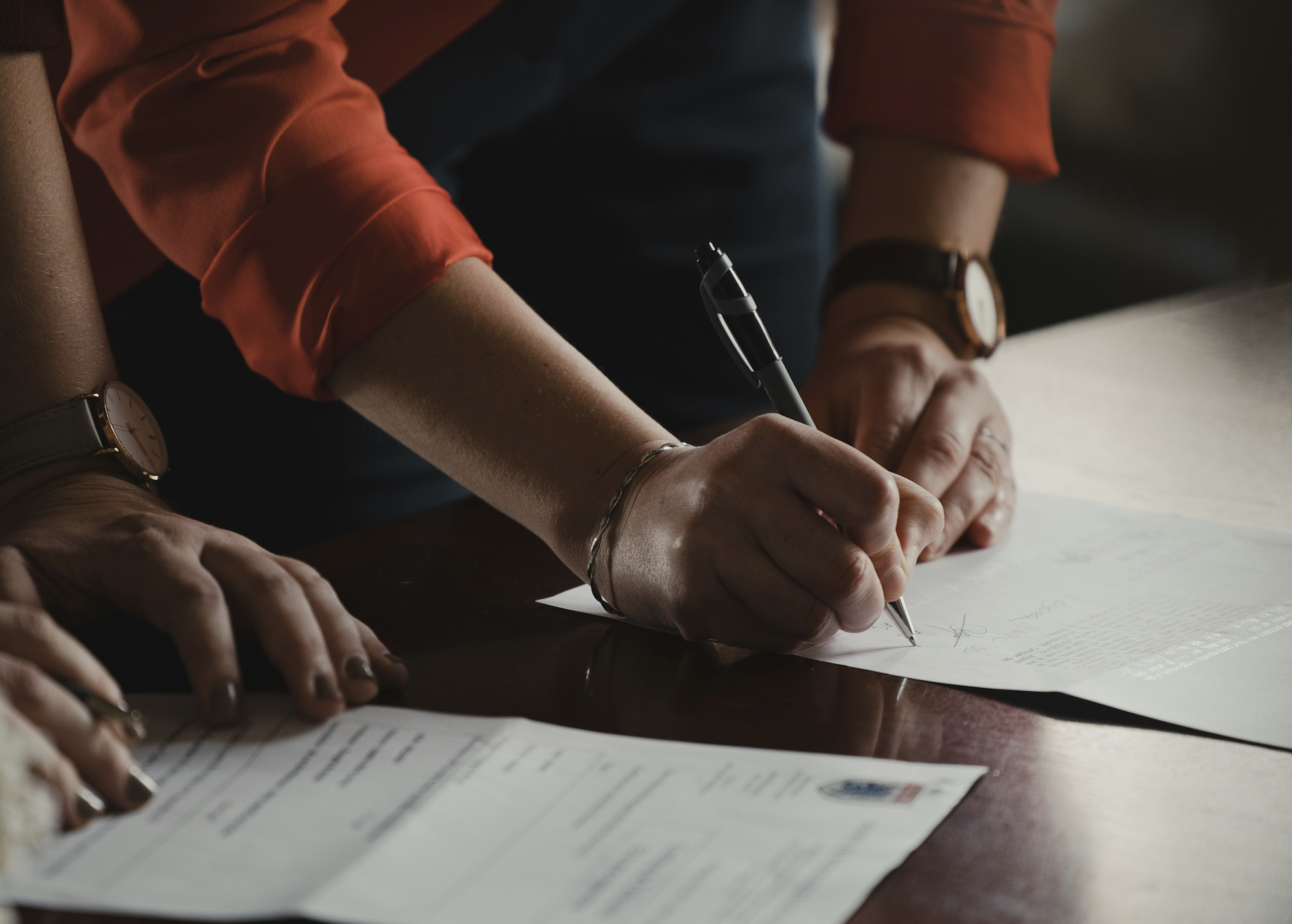
As of last Friday, the journey to a greener, less plastic filled planet continued as 186 countries around the world made another step towards the reduction of plastic waste by agreeing to track and monitor the movements of thousands of types of plastic. Inspired by the 1992 treaty known as the Basel Convention that tracks hazardous waste and materials, this refined Plastic Pact will protect our planet and health by better regulating global trade in plastic waste.