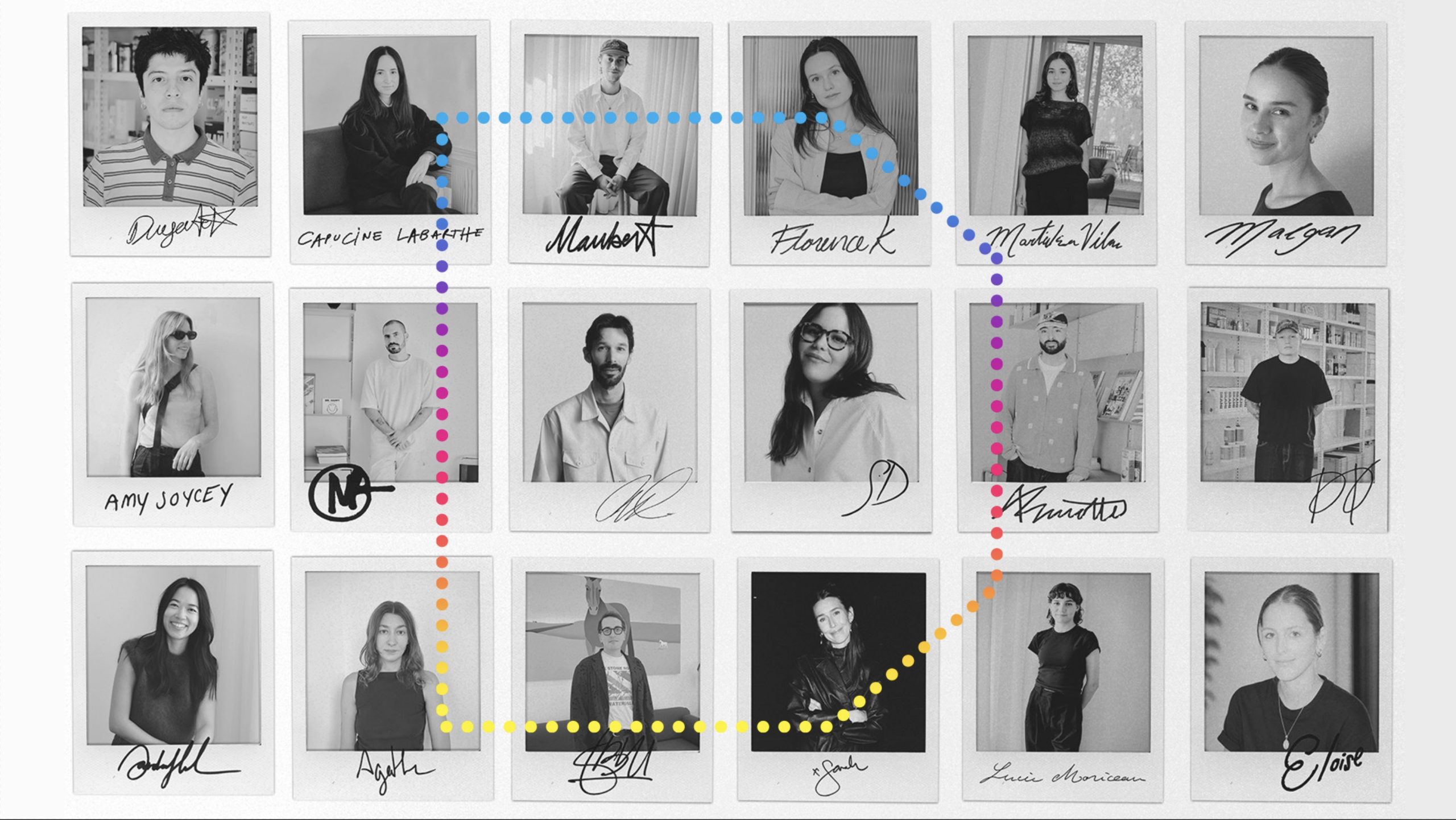
- Wedge won Studio of the Year at the 2026 DIELINE Awards in May, marking their third straight year in a row
- Five members of the Wedge team share their favorite projects and parts about working at Wedge
The word “Dynasty” should never be used lightly, in matters of rulers of ancient civilizations, dominant sports franchises, or even the DIELINE Awards. And yet, Wedge is making quite the case for a DIELINE Awards dynastic classification, as far as we’re concerned, having earned their third straight Studio of the Year title earlier this summer at our 2026 DIELINE Awards.
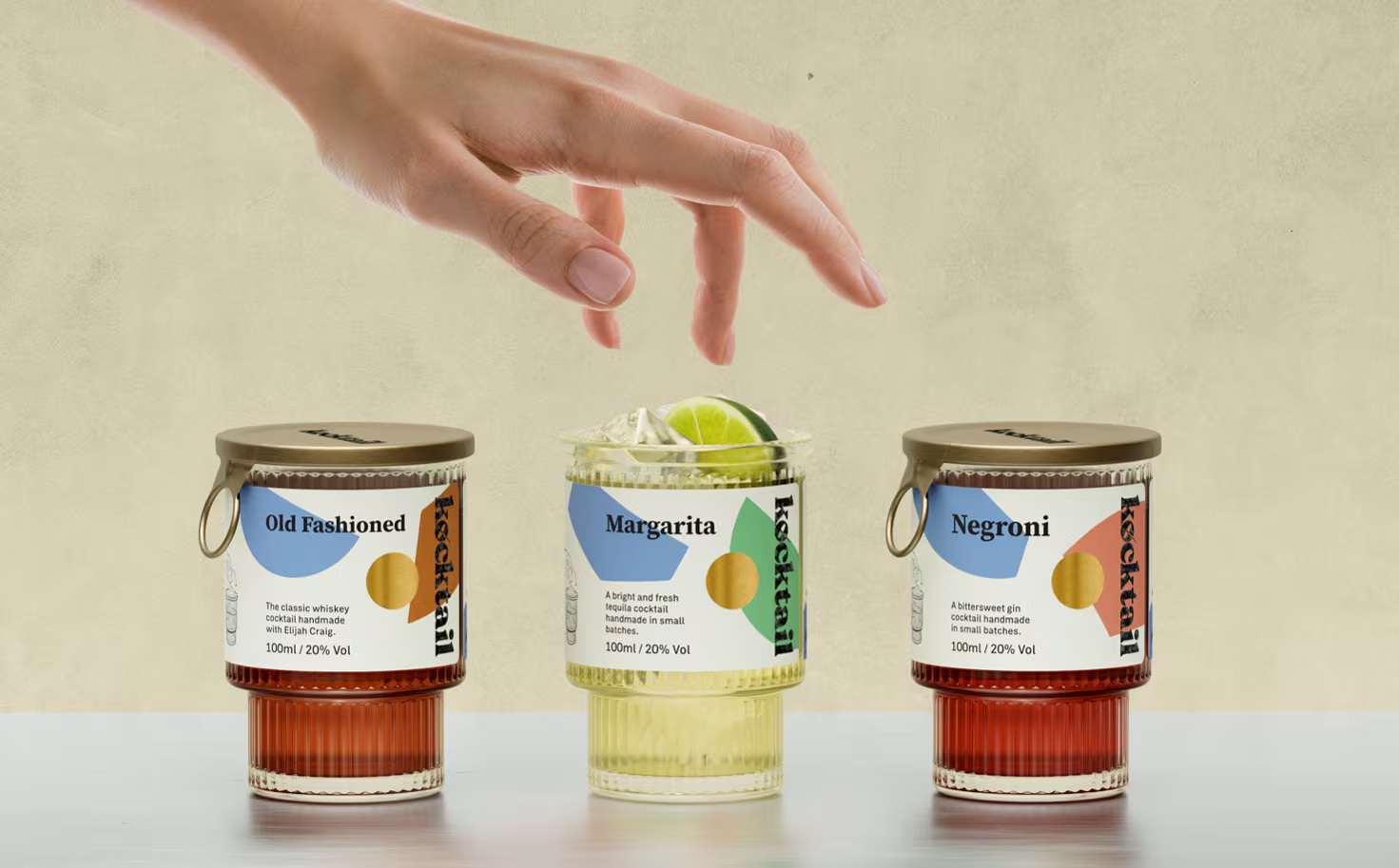
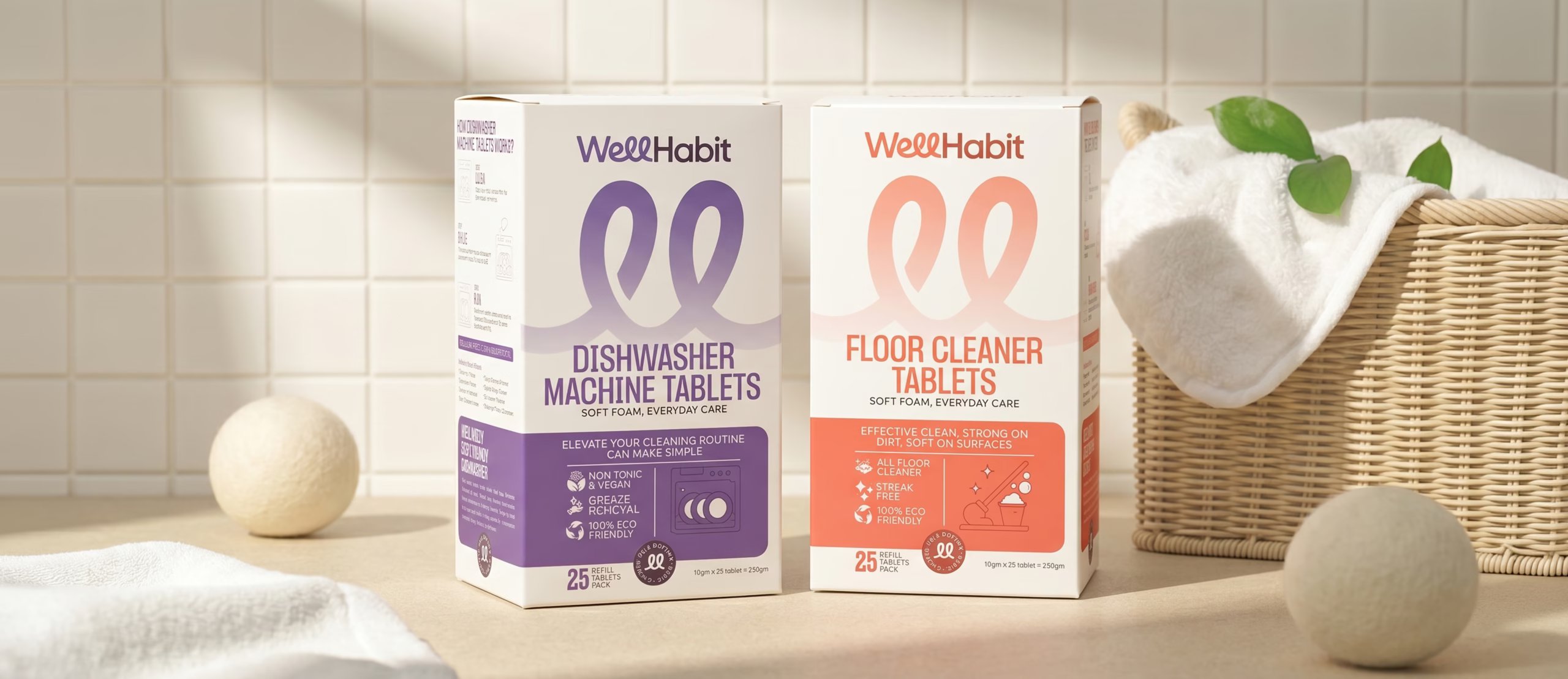
The Montreal-born agency racked up a handful of other down-ballot wins to fuel the Studio of the Year title, including first place for Rebrand of the Year and Best of Health, Beauty, & Personal Care for Cocolab, second place in Health Care for Equip, second and third place for Visual Brand Identity Systems in the Health, Body, & Beauty category for Cocolab and Equip, and Merit Wins in Ready To Serves Cocktails for Snapple Spiked and Clearstem in Beauty and Cosmetics.
At this point, Wedge at the DIELINE Awards is like Meryl Streep at the Oscars: you know she’s going to win, and you still can’t help but root for her anyway because she’s just that damn good.

Wedge makes exemplary (and award-winning) design somehow look easy and intuitive. Nothing of theirs ever feels overwrought or trendy, but clean and crisp, oftentimes bold yet always perfectly tempered. Their projects are a masterclass in balance, like taking a swim in a pool at the perfect temperature.
We’ve already chatted with Wedge co-founders Chief Executive Officer Sarah Di Domenico and Chief Design Director Justin Lortie about how the heck Wedge keeps churning out this unparalleled excellence. Still, as we all know, a studio is much more than just its founders. It’s the entire team they’ve assembled who collectively make the magic we see on the likes of the Cocolab floss boxes, Equip sachets, and Snapple Spiked cans. To celebrate Wedge’s year-over-year DIELINE Awards domination, we’re zooming in on this Wedge team and highlighting a handful of the creative professionals who are essential to Wedge’s ongoing design brilliance.
Marco Patricio, Director of Strategy and Narrative

What’s your role at Wedge and how long have you worked there? What special sauce do you think you add to the Wedge team?
I’m the Director of Narrative and Strategy. I first started working with Wedge as a freelancer in 2021. My secret sauce is probably that I am a terrible liar. In order to make an idea sound good, I actually have to believe that it’s good. Sometimes that makes life hard, but it means the strategy always ends up being novel and (perhaps more importantly) actually true.
What project are you proudest of that you were a part of at Wedge?
Most of my favorite projects aren’t out in the world yet, so I can’t talk about them. But anything where you’re reframing a category. Especially an unsexy one. I think it’s so easy and so boring to say, “we are 5% incrementally better than our competitors,” because that’s almost always true in some way. I find it much more interesting to say, “we actually don’t have any competitors, because if you are a person who sees the world this way, we are the only brand for you.” That might sound cringe and earnest. But if you don’t believe that’s possible, then what’s the point?

In your opinion, what sets Wedge apart from other agencies?
That nobody’s trying to do work that’s cool for the sake of it. Everyone has their own tastes and preferences, and that informs the work, but it doesn’t drive it. You do what’s right for the project. If any of the work ends up on a “design trends” roundup, it’s because it’s the most right, most logical response to something that’s happening in the market—not because anybody is trying to do work that’s going to impress people who aren’t the client and don’t have the client’s goals and aspirations.
What’s your favorite part about working at Wedge?
The kind of clients it attracts. It’s people who want to win and believe that they can. As a strategist, you get to be part of what is actually an incredibly vulnerable human interaction—we just don’t see it that way because of the transactional nature of it, but when you break it down it’s undeniably vulnerable: somebody comes to you and says, “I have this idea that I am pouring all my time and money into and I think it’s incredible, but for some reason people don’t think it’s as great as I do,” and then they tell you their dreams and ambitions and where they think they’ve failed etc. And what you give back is not only recognition that their idea is good, but also help seeing how good it is and support to help it become as good as it can be.
That, and the young designers. They’re all so talented and such wonderful people. They’re a joy to work with every day. So I guess my answer is, on both sides of the equation, exposure to people who are doing great things and believe in what they’re doing.
Capucine Labarthe, Associate Design Director

What’s your role at Wedge and how long have you worked there? What special sauce do you think you add to the Wedge team?
I’m an Associate Design Director, and I’ve been at Wedge for five years. I think my special sauce is that I genuinely love design. I’m naturally curious and always exploring new ideas, references, and ways of thinking. I also get excited about the details—the little things that can make a good project great. I bring a lot of enthusiasm to the work, and I care deeply about making sure every piece feels thoughtful, intentional, and well-crafted.
What project are you proudest of that you were a part of at Wedge?
It’s hard to pick just one. Every project is special in its own way, and each comes with its own unique challenges and opportunities. One project I’m particularly proud of is Omy Skincare. It was a rewarding challenge to help create a design system that sits at the heart of the brand experience and carries consistently across the entire product family. What I love about the work is the balance between integrity and rigor on one hand, and care and warmth on the other. The system reflects the brand’s scientific foundation while still feeling approachable and human.
Another project that stands out is Cocolab. It was a really fun brand evolution to work on, bold, colorful, and full of joy. It was exciting to help push the brand forward while maintaining what made it distinctive in the first place. The brand already had a real sense of playfulness, a variety of unexpected flavors, joyful colors, and a personality that felt quite different from traditional oral care. We wanted to preserve that while giving the brand a little more confidence and maturity. Instead of pastels, we leaned into a richer, more saturated color palette that reflected the adventurous flavors and created a more elevated and distinctive overall identity.


In your opinion, what sets Wedge apart from other agencies?
I think what sets Wedge apart is the balance between strategy and design. The process is rooted in understanding the problem first, so the work isn’t driven by trends or what’s popular at the moment. It comes from a much more intentional place. I also think everyone here is a little obsessed with design, in the best way. There’s a real level of care, curiosity, and attention to detail that pushes the work further. It creates a studio culture that’s always striving to create thoughtful, distinctive work.
What’s your favorite part about working at Wedge?
My favorite part about working at Wedge is the team. I get to collaborate closely with incredibly kind and talented people who constantly inspire me to do my best work.
I also really enjoy the type of work we get to do. The projects are fun and allow us to push our creativity and make work that feels distinctive. What I appreciate most is how deeply we go into strategy and process before jumping into design. That thoughtful approach helps us create work that’s not only visually strong, but also smart, purposeful, and grounded in real ideas.
Léo Maubert, Designer

What’s your role at Wedge and how long have you worked there? What special sauce do you think you add to the Wedge team?
I’m a graphic designer at Wedge, and I’ve been here for over four years. My main focus is branding, but I just love making things move. Whenever it makes sense, I like bringing motion and 3D into the process. I enjoy thinking about how an identity behaves beyond static visuals, and I think that extra layer helps make brands feel more alive.
What project are you proudest of that you were a part of at Wedge?
Omy is probably the project I’m proudest of. When I joined the project, the packaging system was already in place, and honestly, it was one of those projects you immediately wanted to be part of. It was already such a strong foundation. We then had the time and freedom to explore and build everything around it, from the brand system to motion, photography, 3D, and art direction, so the whole identity could grow into something much bigger than the packaging itself. It’s one of those projects that still makes me smile every time I come across it.

In your opinion, what sets Wedge apart from other agencies?
I think Wedge is really good at resisting the urge to jump straight into visuals. A lot of thinking happens before the design process begins, and every creative decision is rooted in strategy. But there’s always room to bring emotion and personality into the work. That’s what gives Wedge’s projects their soul.
What’s your favorite part about working at Wedge?
Definitely the people. It’s one of those places where someone casually shares a reference you’ve never seen before, and suddenly you find yourself scrolling through a random archive of vintage apothecary perfume bottles for too much time. Being surrounded by people who are endlessly curious makes you want to be more curious, too.
Martika Vilar-Oliveira, Designer

What’s your role at Wedge, and how long have you worked there? What special sauce do you think you add to the Wedge team?
I’ve been art directing and designing at Wedge for a year and a half. My secret sauce? I’m an obsessed listener with a deep love for typography. We work with clients who are totally shifting their industries, so I love peeling back the layers of a brief to find the heart of their story. Then, I dive into my constantly growing Are.na boards to find that exact, special typeface, especially for packaging, that turns big, messy ideas into visual concepts that resonate.
What project are you proudest of that you were a part of at Wedge?
I love everything I’ve touched at Wedge, but Equip is the project I’m proudest of. It was my very first project here, and I had the chance to work on it almost completely from start to finish. It gave me front-row access to how special our creative process is and how deeply we value the client’s perspective. Our main goal was to totally go against the grain of what was on the shelf, which pushed us to pull from completely fresh, unexpected reference points.

In your opinion, what sets Wedge apart from other agencies?
Honestly, it comes down to how closely we collaborate. On a typical project, we’ll have three designers and two creative directors bouncing ideas off each other. Because everyone brings a different perspective, we naturally push each other past our initial instincts. It opens up so many more creative directions for brand storytelling than any of us could ever come up with on our own.
What’s your favorite part about working at Wedge?
My favorite part is that the creative process never feels like a fixed formula. Because every brief is so distinct, our strategy takes us down completely different research rabbit holes and archives every single time. Plus, our project teams are fluid, and Wedge brings in such incredible collaborators from different corners of the world. I’m constantly learning new approaches from the people I get to work alongside.
Albert Sinotte, Account Manager

What’s your role at Wedge and how long have you worked there? What special sauce do you think you add to the Wedge team?
I’ve been an Account Manager at Wedge for almost two years. I think my special sauce is communication. Creativity is incredibly subjective, and everyone brings a different perspective, vocabulary, and way of thinking. My role is to make sure everyone is speaking the same language. Communication isn’t just about clarity; it’s about creating trust.
When everyone understands we’re on the same team, it becomes much easier to challenge ideas, have honest discussions, and build something stronger together. At the end of the day, design is a conversation. It has to start with a clear message, built through clear discussions. That’s how you create work that actually says something.
What project are you proudest of that you were a part of at Wedge?
Equip Foods. What made that project special wasn’t just the design, it was the opportunity to democratize the supplement category. The more we spoke with the team, the more we found ourselves asking, What if this felt more human? Instead of speaking through performance and science alone, we wanted the brand to speak through honesty, nourishment, and everyday life.
The process was collaborative from the start. The founders and CEO were incredible partners who trusted us to explore that direction. We weren’t afraid to question the standards of the category or challenge each other’s ideas. That level of trust allowed us to move beyond the obvious solutions and build something that felt more relevant, more Equip, and more special.


In your opinion, what sets Wedge apart from other agencies?
Wedge understands that design is a language. It’s not about making things look beautiful for the sake of it. It’s about changing or creating the way people see something. Every person experiences the world differently, and Wedge respects that. We listen first, stay curious, and build new perspectives together. The goal isn’t to follow trends. It’s to create something that still communicates with honesty years from now.
What’s your favorite part about working at Wedge?
The people. There’s a culture here that believes anything can become meaningful if you give it enough care and attention. That way of thinking is contagious. Being surrounded by people who can find inspiration in everyday objects, who treat every project like it deserves to matter, changes the way you look at the world. It reminds you that creativity isn’t reserved for artists, it’s a way of seeing.