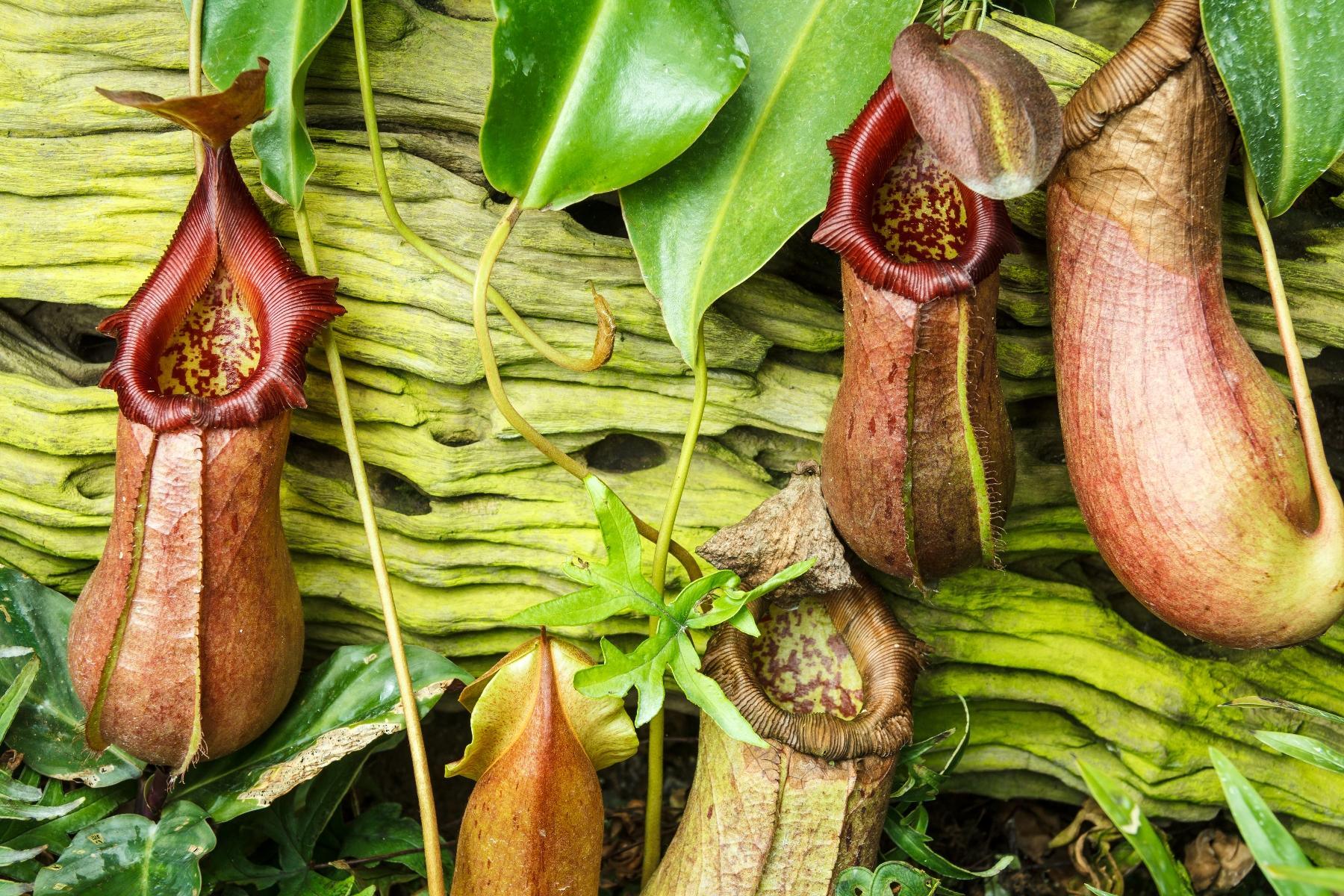

The pitcher plant is a carnivorous plant that feeds on insects by luring them and trapping them in a special digestive liquid. In order for their prey to fall into this liquid trap, these plants have developed a surface on their leaves making them slippery when moistened by condensation or nectar.
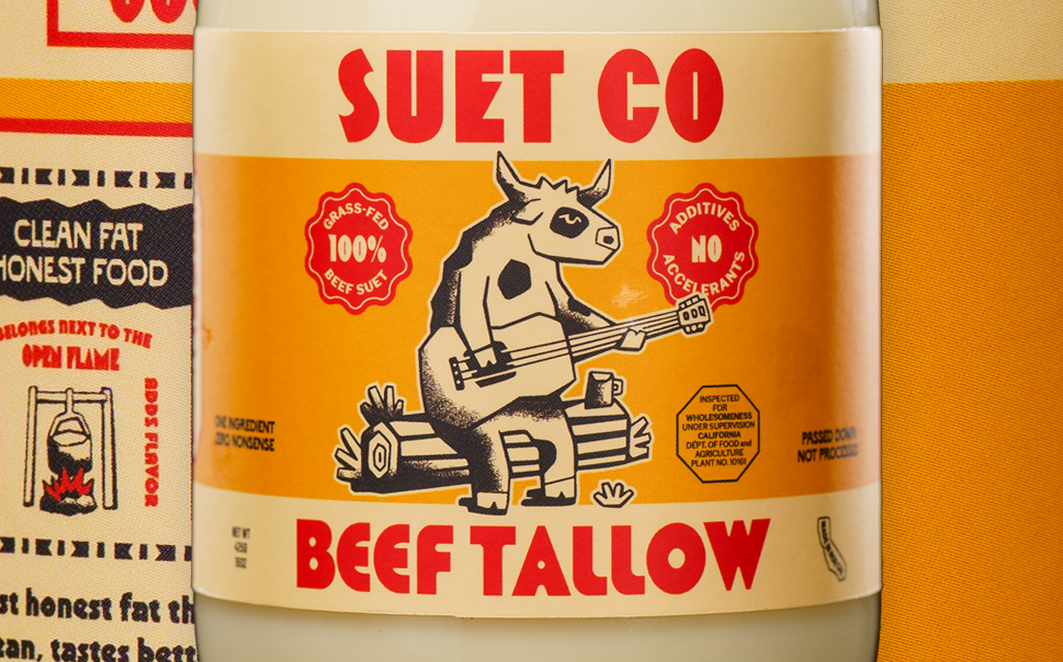
The specialized leaves of the pitcher plant partly served as inspiration for a new packaging breakthrough coming out of Virginia Tech. In a paper published by Scientific Reports, researchers describe a process that wicks common edible oils like cottonseed into extruded plastics that are commonly used in food packaging (polyethylene and polypropylene). Until now, the process to make a slippery liquid-infused porous surface (SLIPS) used fluorine and silicone-based materials and complex manufacturing methods that made their commercial applications impractical and cost-prohibitive. This new technique is compatible with inexpensive food oils, making the process commercially viable.