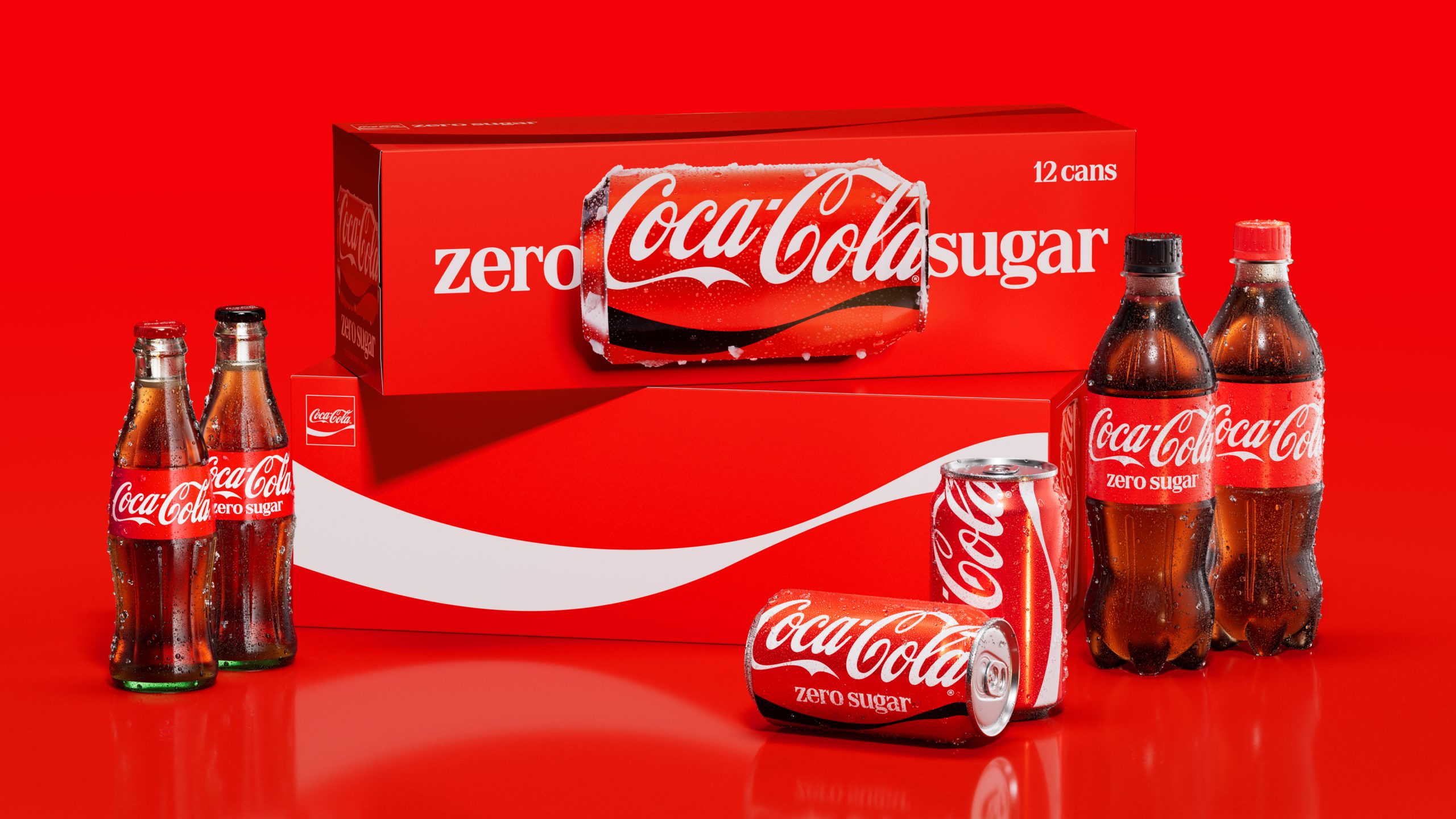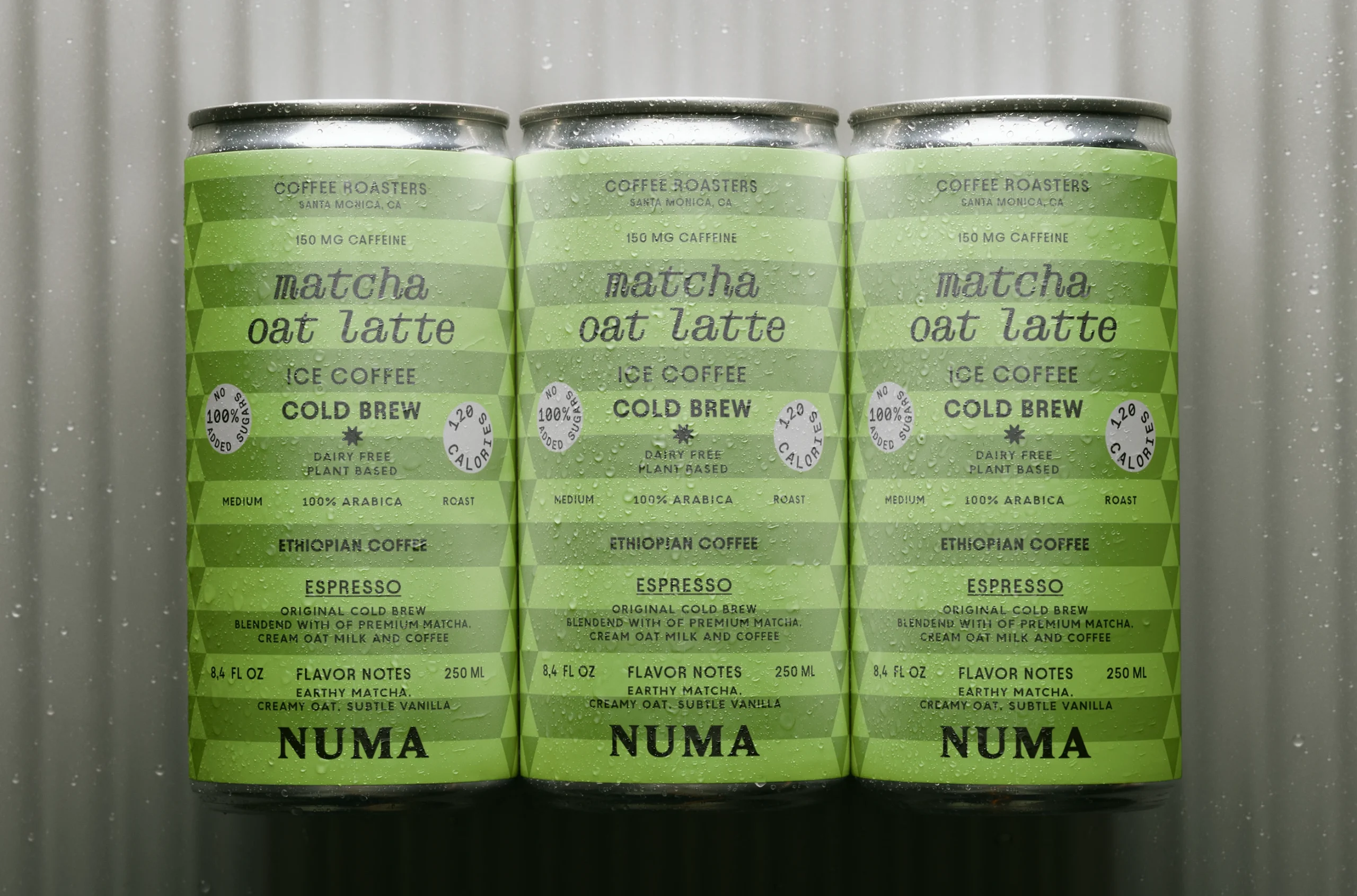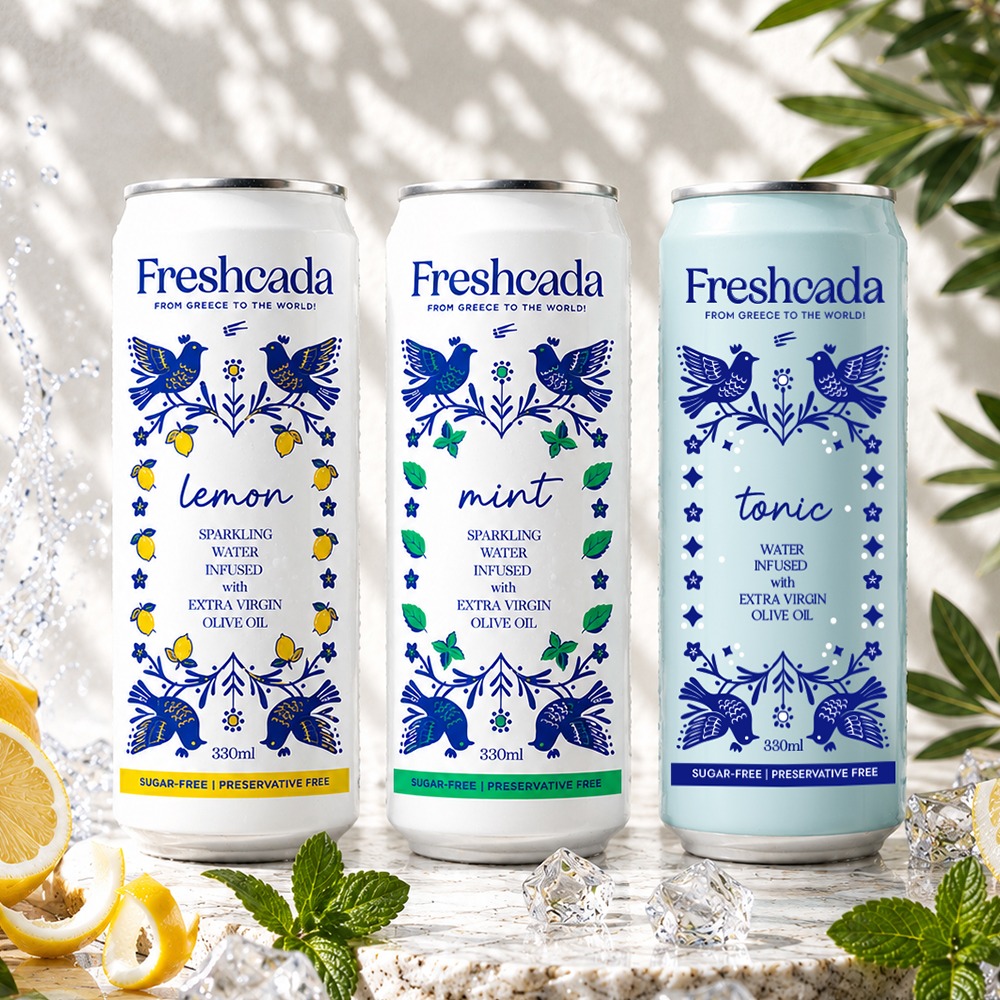
Aluminum cans changed the way we eat today. This new method of food preparation which appeared in the early 1800s was different from fermentation or pickling, and instead provided products in a nearly fresh state. Today, you’ll find canned food in any corner shop, bodega, or grocery store—it’s a generally accepted packaging for shelf-stable foods.
But what about tomorrow?
No, there isn’t a big push to end aluminum cans at the moment. Any of its shortcomings are greatly overshadowed by the issues of plastic, which is more urgent. In February 2015, a study conducted at UC Santa Barbara’s National Center for Ecological Analysis and Synthesis (NCEAS) measured the amount of plastic waste which ended up in the ocean. The results? About 8 million metric tons.