- Covered plastic producers and distributors must submit an Individual Source Reduction Plan (ISRP) to Circular Action Alliance (CAA) by August 1, 2026, targeting a 25% plastic reduction by 2032.
- Success requires full packaging redesigns rather than material swaps, developing local end-markets for MRF recovery, navigating $50,000-per-day non-compliance penalties, and addressing multi-state federal litigation.
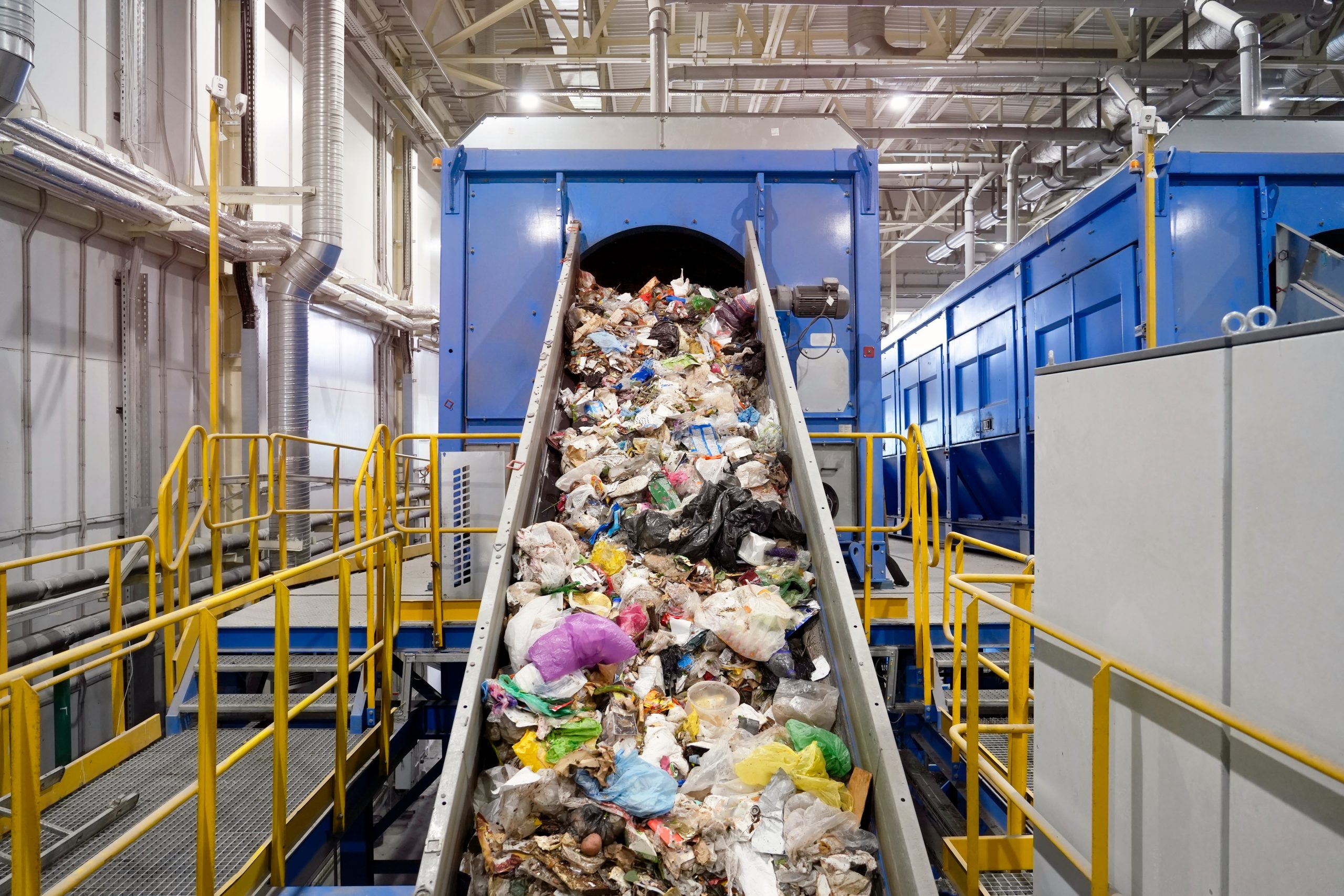
Until 2018, the world happily shipped its plastic waste to China. Hard-to-recycle plastics, particularly of the flexible variety, were baled and taken away for someone else to worry about.
But then China enacted its “National Sword” policy, effectively banning the importation of most plastic waste. Just like that, what had been the endpoint for nearly half the world’s plastic trash had suddenly closed. This left other countries scrambling to find a new place to ship off their increasing amounts of plastic waste. Other nations and the black market for plastic waste (yes, that’s a thing) would not be enough to make up for China’s decision to reject the world’s trash. National Sword accelerated some markets, such as the European Union, to enact legislation that would reduce the amount of plastic sold. This includes setting reduction targets for plastic sold and enacting Extended Producer Responsibility (EPR) programs.