Feather & Flame Translates An Original Aztec-Inspired Myth Into Structure
By
Published
Filed under
By
Published
Filed under

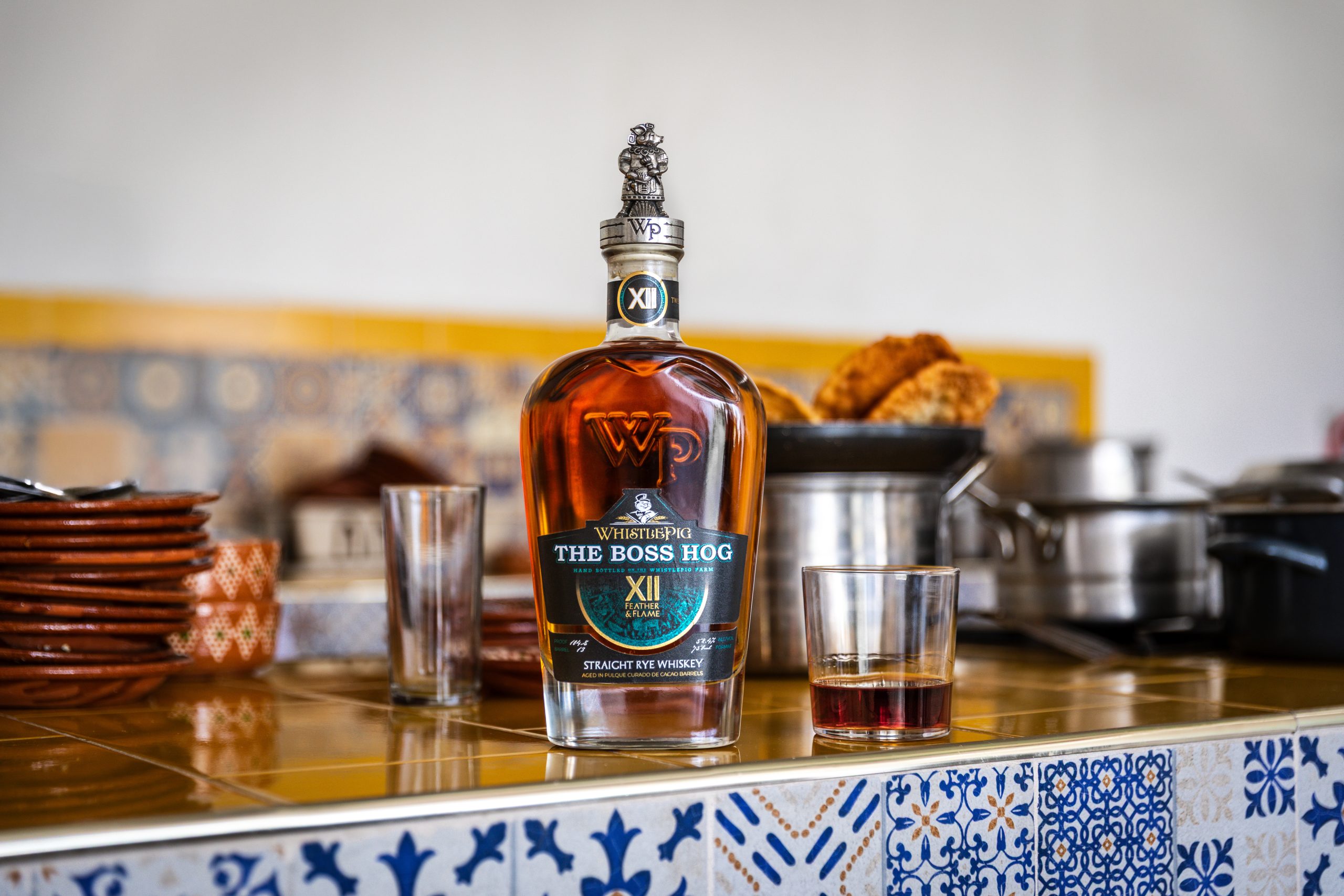
WhistlePig The Boss Hog XII: Feather & Flame is a limited-edition packaging system built around a single narrative concept. Rather than decorating a bottle, the project translates an original Aztec-inspired myth into structure, sculpture, illustration, material, and digital integration.
Two gods debate pulque and cacao. From their conflict emerges the feathered pig deity, an impartial arbiter. This mythology informed every design decision across the bottle, stopper, and gift box, ensuring complete conceptual alignment.

1. Creativity
Creativity in Feather & Flame is driven by world-building rather than surface styling.
The mythology unfolds across a twelve-panel illustrated system inspired by Mesoamerican codices. Each panel represents part of the legend and functions independently while forming a collectible sequence.
Illustration was developed by Johnatan Correa Hernandez in collaboration with Aztec cultural consultant Carol Tyroler to ensure respectful and informed interpretation. Rather than borrowing historical motifs, the team created an original myth grounded in research and consultation.
As Hernandez noted during development, the goal was “to create something new while honoring the symbolic language and visual traditions that inspired it.” This principle guided the balance between invention and cultural integrity.
The packaging operates as narrative architecture rather than ornament.

2. Marketability
The Boss Hog series is positioned as an annual limited luxury release. Feather & Flame reinforces this positioning through sculptural presence and serialized storytelling.
The handcrafted pewter stopper creates immediate visual distinction. The twelve-panel codex system encourages retention and collection across releases.
Press recognition reflects market impact:
• Forbes described it as “A Collector’s Masterpiece.”
• VinePair called it “A Surprising Triumph of Flavor.”
• Drinkhacker cited its “Authenticity and Craftsmanship.”
• Parade referred to it as the distillery’s “Best One Yet.”
The packaging supports premium positioning through craftsmanship, storytelling, and collectible appeal.
3. Innovation
Innovation appears in both liquid integration and smart packaging.
The pulque curado de cacao cask finish positions this release as distinctive within the series. The packaging mirrors this originality through narrative symbolism and structural ambition.
Each bottle includes an NFC-enabled back label that allows authentication and access to extended digital storytelling. This connects the physical object with a digital layer of engagement and verification.

4. Execution
Execution required coordination across narrative development, illustration, sculpture, and structural engineering.
The handcrafted pewter stopper, produced by Danforth Pewter in Vermont, functions as both closure and sculptural element.
The twelve-panel gift box reveals the full codex story on the inside. Every surface of the box participates in visual storytelling. Secondary elements remain visually consistent with the broader narrative system.
Tactile textures and the use of Matador Black Soft Touch paper reinforce material quality and physical engagement.
The project demonstrates cohesive execution from concept through final production.

5. On-Pack Branding
Brand clarity remains disciplined throughout the myth-driven system.
Typography and layout align with the established Boss Hog identity while allowing the artwork to lead. The vertical silhouette of the bottle and stopper reinforces bold shelf presence.
Brand and narrative coexist without competing, maintaining legibility and premium positioning.
6. Sustainability
The gift box utilizes Matador Black Soft Touch paper by Ecological Fibers, Inc., which is FSC certified and compliant with EU REACH and other environmental standards.
The packaging system is fully recyclable. The collectible nature of the sculptural stopper and codex panels encourages long-term retention.

The project was developed by a B Corp Certified agency and a 1% for the Planet member, embedding environmental accountability at the organizational level.
Cultural integrity was central to development. An Aztec cultural consultant guided iconographic interpretation, and culturally connected artists were commissioned to ensure informed representation.
Creative ambition and responsible development were treated as parallel priorities.
7. Conclusion
Feather & Flame integrates mythology, sculpture, illustration, structure, and technology into a unified luxury packaging system.
It demonstrates creativity, market positioning, innovation, disciplined execution, on-pack branding strength, and responsible development within a cohesive limited-edition release.
Rather than functioning as container alone, the packaging operates as collectible artifact aligned with narrative, craftsmanship, and brand identity.