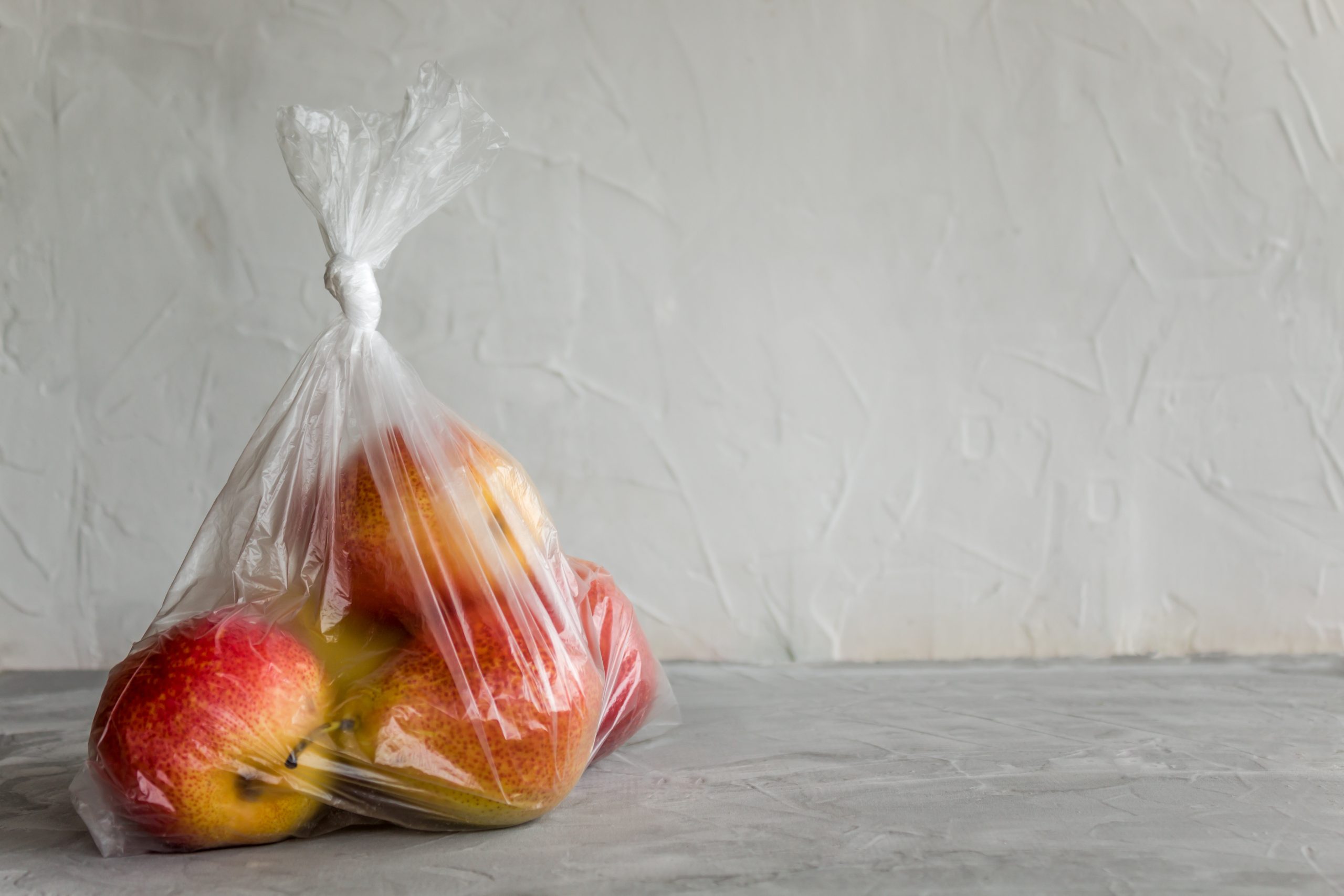
Toxic chemicals in packaging are indeed a thing, and while that’s been recognized as a certifiable thing we should watch out for, researchers are starting to get a better idea of just what happens with some of those toxic chemicals. In a study published on Monday in the Journal of Exposure Science & Environmental Epidemiology, researchers found that around 3,600 chemicals can leach into food during packaging and manufacturing and end up in our bodies.
Researchers compared over 14,000 food contact chemicals (FCC) against five biomonitoring programs and three different metabolome/exposome databases to gather the results. By examining high-priority FCCs often found in materials that come in contact with food—like packaging—they discovered their presence in human bodies. Of the 14,000 known FCCs, the study found that 25% of them were found in humans. Eighty of those FCCs were of particular concern as they have hazardous properties and have been connected to cancers, endocrine-disrupting properties, fetal abnormalities, and other diseases.
What’s especially alarming is that these chemicals aren’t just linked to plastic packaging—we already know about the toxicity of things like BPA (bisphenol A), and consumers are plenty aware that plastic deserves its fair share of scrutiny. But what they might not know is that they can even find it in recycled paper. Newspapers, for instance, aren’t made with food-grade inks. When they get recycled, they all go into the same pulpy mix with other pieces of cardboard and paper packaging. So, those non-food grade inks end up in the recycled material, and the chemicals from those inks can migrate into food.