Lately, it’s happening all too often. My sneaker infatuation is being preyed upon by impossibly good-looking ads on-screen. I’m lucky if I can make it through an Instagram scroll without an email order confirmation ending up in my inbox.
With new routes to consumers stealing voice and market share, the way brands are reaching out to their customers and how consumers want to receive them is radically changing shape—driving deeper engagement and broader awareness in their first moments of connection. It’s actually hard to even imagine a time before digitalization and the opportunity it has provided for brands to unlock new creative thinking along with innovative virtual assets to reach consumers in better, more meaningful ways—the landscape has shifted, and my sneaker collection continues to expand while my wallet continues to shrink.
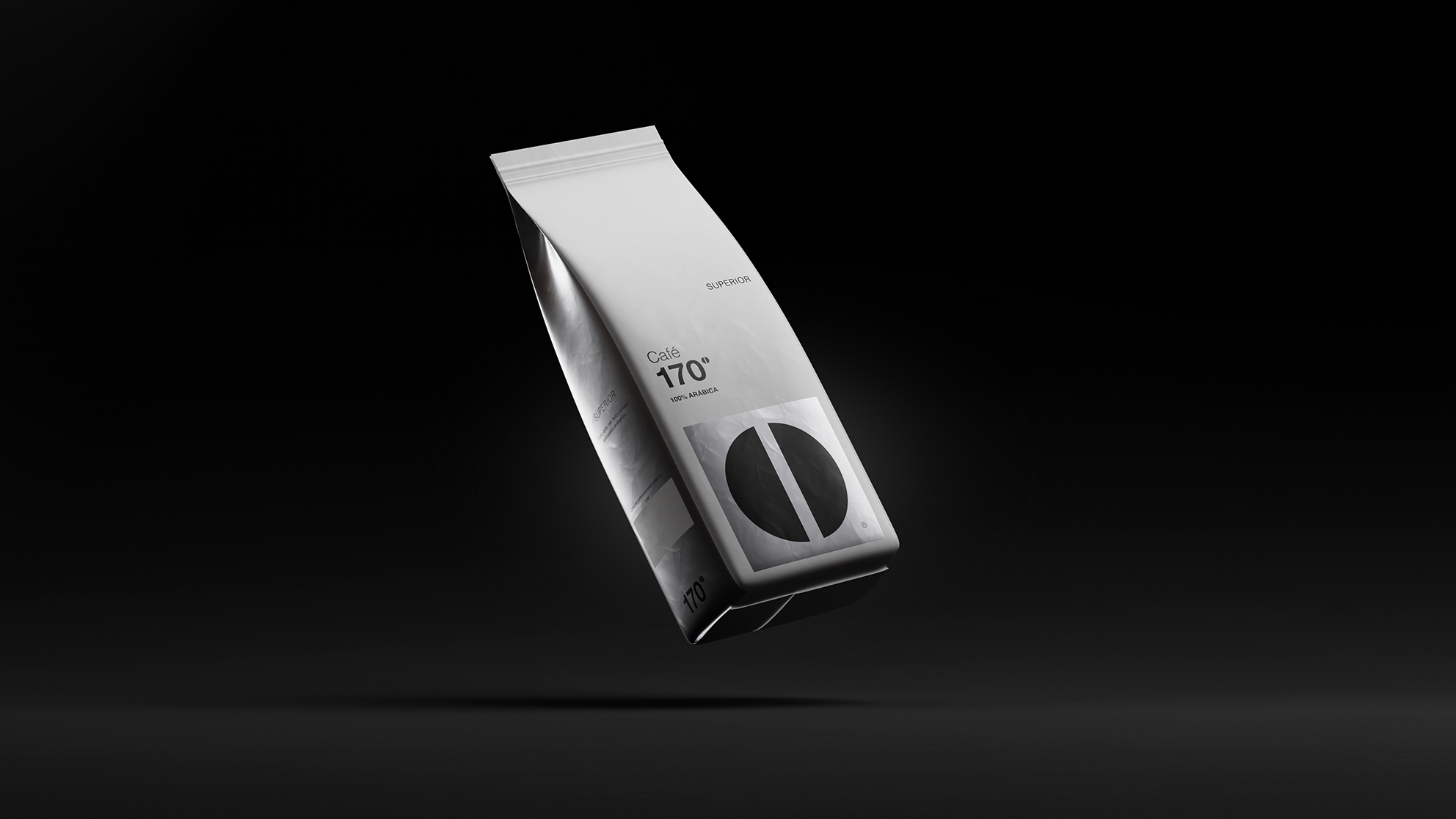
Our “new normal” has made technology even more critical as we find ourselves spending much of our time at home, relying on our devices for enjoyment, connectivity, and keeping our imaginations stimulated. Consumers are turning to brands to provide ongoing entertainment with increasingly advanced interactive and mesmeric content. And the brands that are succeeding in these challenging times are finding unique ways to fulfill our needs by making intangible experiences tangible, using CGI and visualization techniques—specifically 3D modeling, 3D scanning, rendering, animation, and more—to establish bonds and emotional connections with consumers that will drive engagement and build brand loyalty.