If you’re a loyal Dieline reader, you know we typically publish a collaborative, team-written trend report each year. However, we decided to switch things up: this year’s trend report is a Shelf Life exclusive.
I started this newsletter earlier this year (ten weeks shy of exactly a year ago), and I’ve been thoroughly enjoying dissecting the trends and movements week after week (you can see the archive HERE). While I’ve always been a relentless scroller, sharing my observations and diving deeper into the cultural and design currents shaping the world has been (as cliché as it sounds) an absolute delight.
For 2025’s trend report, I’ve distilled eight key ideas that will define the coming year. Some are driven by design, others by politics, and a few are simply here for innovation’s sake.
If any of these resonate—or you disagree—drop your thoughts in the comments. Let’s chat.

Objects As An Art Form

2025 will be the year we start to see objects (and packaging) manifest as art forms. Of course, that isn’t anything new, and we’ve certainly featured plenty of beautiful objects that double as product packaging. That said, consumers are becoming more intentional about their spaces, and while the decor in our homes matters, who says perfume, condiments, and phone chargers can’t also become decor?
We see this happening with brands like Fluff, an Australian Casual Cosmetics Company. The brand’s packaging is plastic-free, and the cloud compacts are objects of beauty—little metallic sculptures. Foile is another beauty brand that uses its packaging as a decorative moment. It’s lightly branded, but the design structure leans into the popular interior aesthetics for which the Gen Z demographic has especially become known: bright colors, soft edges, and quirky winks.


Other brands already doing this happen to be within the beauty and haircare space; think Kindred Black, Cecred, Twygg, and Sadie Skin. Cloud 23 is the closest thing the condiment space has besides Truff, but we’ll start to see more innovative designs next year. The common denominator for Objects as an Artform is minimal branding but a big emphasis on the vessel’s structure: from over-the-top sculptural designs to interesting glasswork; these are the kinds of packaging systems you’re proud to display once you’re done using them for the original intention.
Trad Masc

I’ve touched on the Trad Wife aesthetic in other trends, but here’s its counterpart—Trad Masc. I tried to keep this analysis apolitical, but ignoring the cultural and political undercurrents driving it is impossible.
According to the MAHA (Make America Healthy Again) campaign’s website, its mission is to “dismantle the corporate stranglehold on our government agencies that has led to widespread chronic disease, environmental degradation, and rampant public distrust.”
Leading the charge? Men. Robert F. Kennedy Jr., backed by Trump. On the campaign trail, Kennedy sold “make frying oil tallow again“ merch—a nod to the anti-seed oil, pro-tallow rhetoric that’s become a rallying cry for figures like Joe Rogan and proponents of high-protein, carnivore diets. The MAHA movement also advocates for increased access to raw milk, challenging existing regulations restricting its sale. At the same time, the FDA and CDC warn against consuming raw milk due to the risk of harmful bacteria and pathogens, including Salmonella, E. coli, and Listeria. The idea of what might be “right” and “scientific facts” are embroiled in a battle tug of war.
It’s not just about health, though—it’s a hyper-masculine worldview infiltrating the food space. Carnivore, paleo, and lion diets all push consumers towards the ideology of eating more (or only) protein as a means to enhance strength, masculinity, and “primal” identity.

Then there are brands like David protein bars, which lean unapologetically into the aesthetics of “perfect masculinity.” The name itself is based on Michelangelo’s David, a statue meant to represent an ideal male form combining “heroic strength and human uncertainty.” The protein bar’s launch went viral, and the brand has become a touch point for this emerging trend through branding, design, and storytelling that idolize an idealized, overtly masculine identity. David’s packaging isn’t designed with stereotypical masculine illustrations or visuals, and the brand promises “protein for human bodies,” but the name alone is a not-so-subtle nod to a cultural male archetype that reinforces this. Not to mention, protein bars as a category already skew male in perception.
Still, because of the bar’s namesake and copy cues about eating this bar to build muscle and lose fat with the ideal male form at the center of the brand’s namesake, it becomes part of the overall bro-ing of America. There’s no way you could look at the messaging and branding behind this bar and think it was designed for women to feel empowered by it.

Another example is Coffeemate, which recently posted a satirical “protein creamer”concept on Instagram featuring a bottle emblazoned with sculpted abs. Was it on-brand? Absolutely not. Was it perfectly in line with this trend? 100%.
More brands will fully embrace this hyper-masculine branding system in the coming year (through subtleties, satire, or otherwise), not only within traditionally masculine spaces (beer, whisky, barbeque sauce) but also in unexpected places like milk, oatmeal, and/or mac and cheese.
I’ll leave it to you to decide whether this movement is propelled by MAGA, MAHA, or broader cultural shifts. One thing is sure: masculinity is having a moment, and it’s reshaping everything from food and fitness to design and, well, our politics.
The Emoji-fication of Design

Earlier this fall, Funyuns released its “👸💖✨🦋💕💅” flavor, and it’s a signal of what’s to come: branding moments and packaging systems revolving around a vibe. The internet already loves fast-moving aesthetics: Coastal Cowgirl, Corporate Siren, and Mob Wife. But the core of these trends boils down to the aura they exude, and it is possible for packaging just to be a vibe.
I’d love to see this manifest in the beverage space; just imagine a “🍒🎱💋🔗” canned cocktail or a “🍪🍂🧺🧸” flavored coffee.
Removing words and replacing them with emojis has worked on social media because of its ability to create a more approachable quality. The same is true of packaging. It loosely relates to our “Stickermania” prediction from 2023, where we wrote, “Brands are leaning more and more into the quirky, playful appearance that stickers can give—a mishmash of thoughts and ideas that’s reminiscent of Lisa Frank’s zany illustrations or middle school math class where you’d decorate your favorite notebook with doodles and actual stickers.”
While emojis and stickers are very different, the concept is the same; however, stickers connote a pre-digital era, whereas emojis are the internet’s sticker, and as AI becomes more prevalent, so does digital art, thus, the popularization of wanting to humanize design through the aesthetics of emojis.
Cultural Convergence

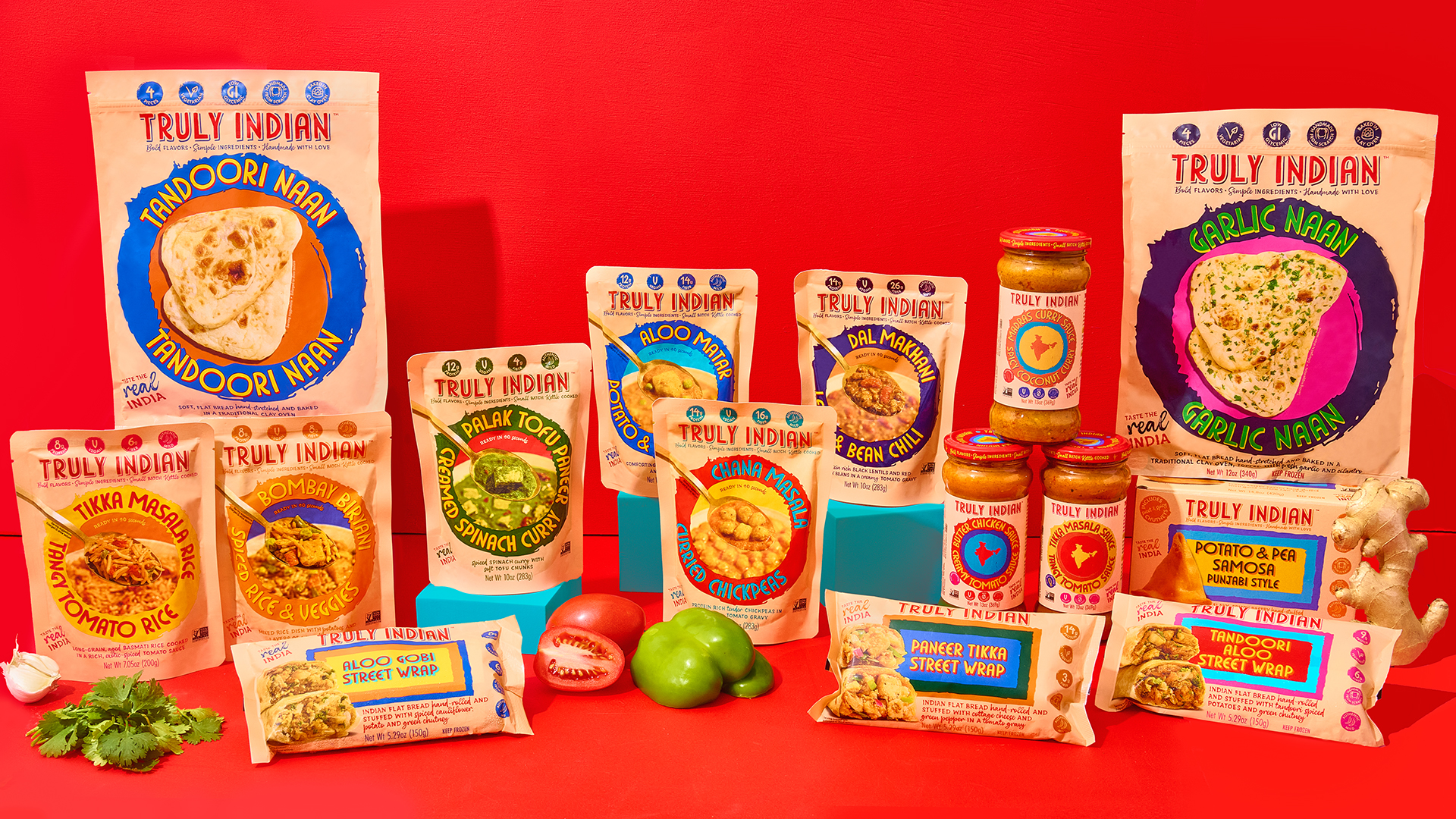
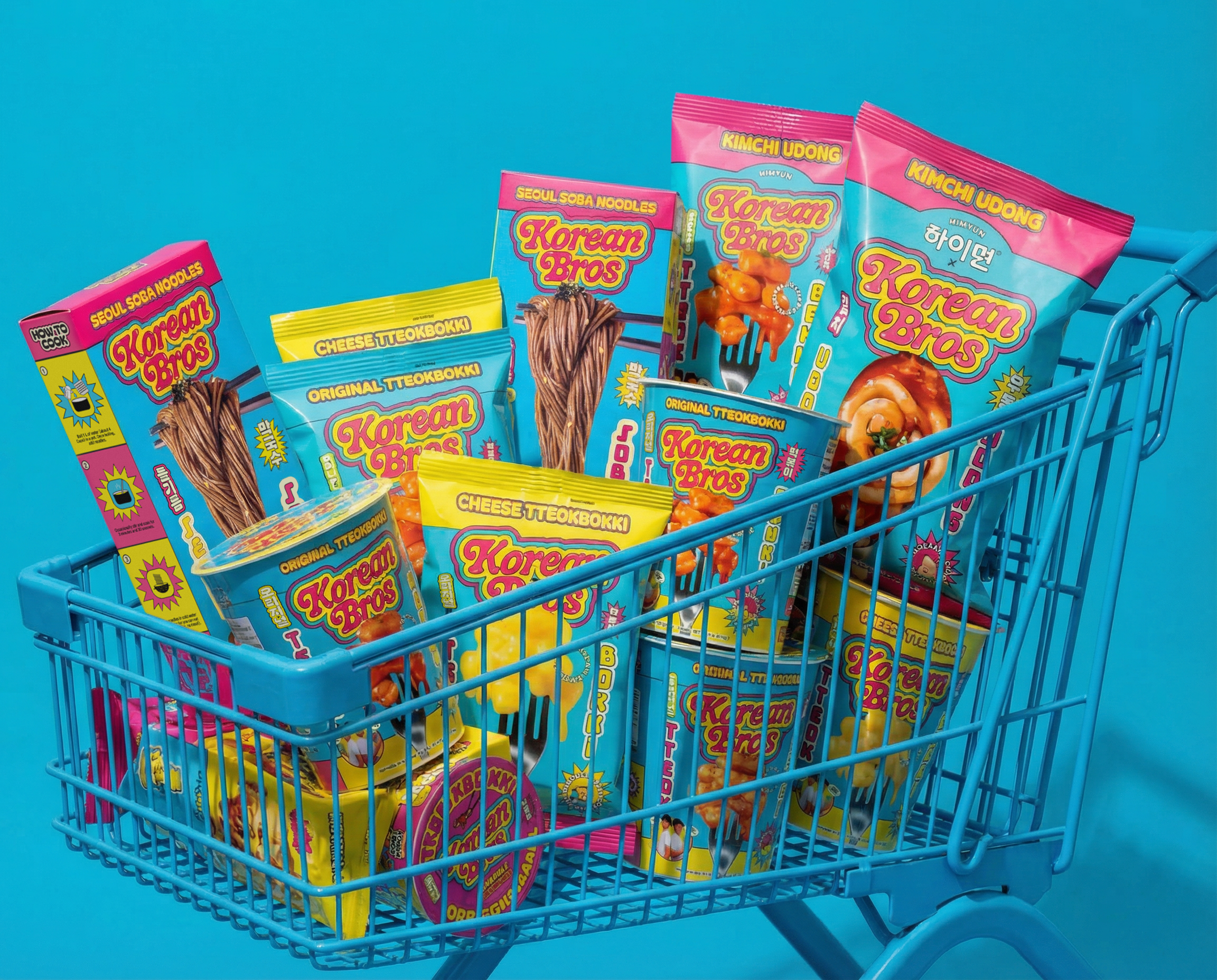
One of my favorite rising trends in CPG right now is the rise in culinary cultures reaching an absolute fever pitch; appropriately, I’m coining this trend, “Cultural Convergence.” I want to be upfront that this trend is not to be confused with cultural appropriation; in fact, the brands that are leaders in this trend are often first or second-generation immigrants who are genuinely excited to share their culture with Americans.
The underlying design elements in all of these brands add a sense of respect to the brand’s native culture while remaining approachable to people who might have never tried the flavors or products before, think a Pakistani-inspired sauce that pairs perfectly with buffalo chicken tenders and Labneh for your Thanksgiving table.


This trend’s design elements consistently reflect authenticity, cultural respect, and clever relatability. Brands like Omsom, Fly By Jing, Mazaah, Nooish, West Coast Lassi, and De La Calle exemplify this movement. This year, Omsom was acquired by DayDayCook for an estimated total value of $11.7 million, proving the belief in making Vietnamese foods a staple in American pantries. Meanwhile, PepsiCo also acquired the Mexican-American brand Siete this year for a whopping $1.2 billion. These brands have succeeded by balancing cultural integrity with a deep understanding of contemporary consumer desires—whether that’s convenience, versatility, or new flavors. Expect to see more brands rooted in diverse cultural traditions gaining mainstream traction but with an added emphasis on storytelling.
With any luck, retailers will respond by dismantling the “ethnic” aisle altogether, instead integrating these products into the rest of the melting pot.
The Utah Effect

The Secret Lives of Mormon Wives was a reality show with the internet in a chokehold, somehow fueling and unraveling the trad-wife aesthetic. However, what stood out to me on the show might be baffling to others.
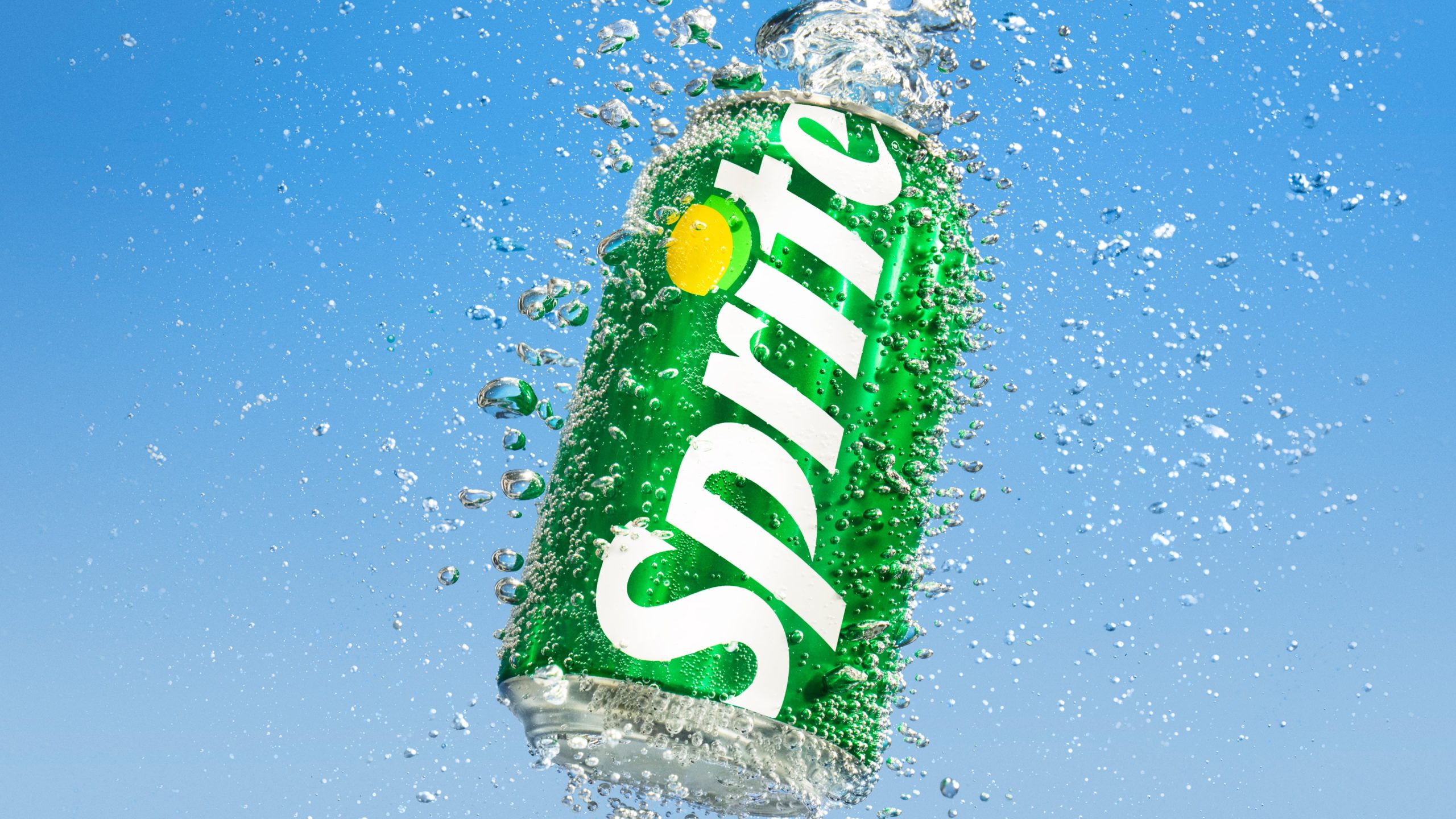
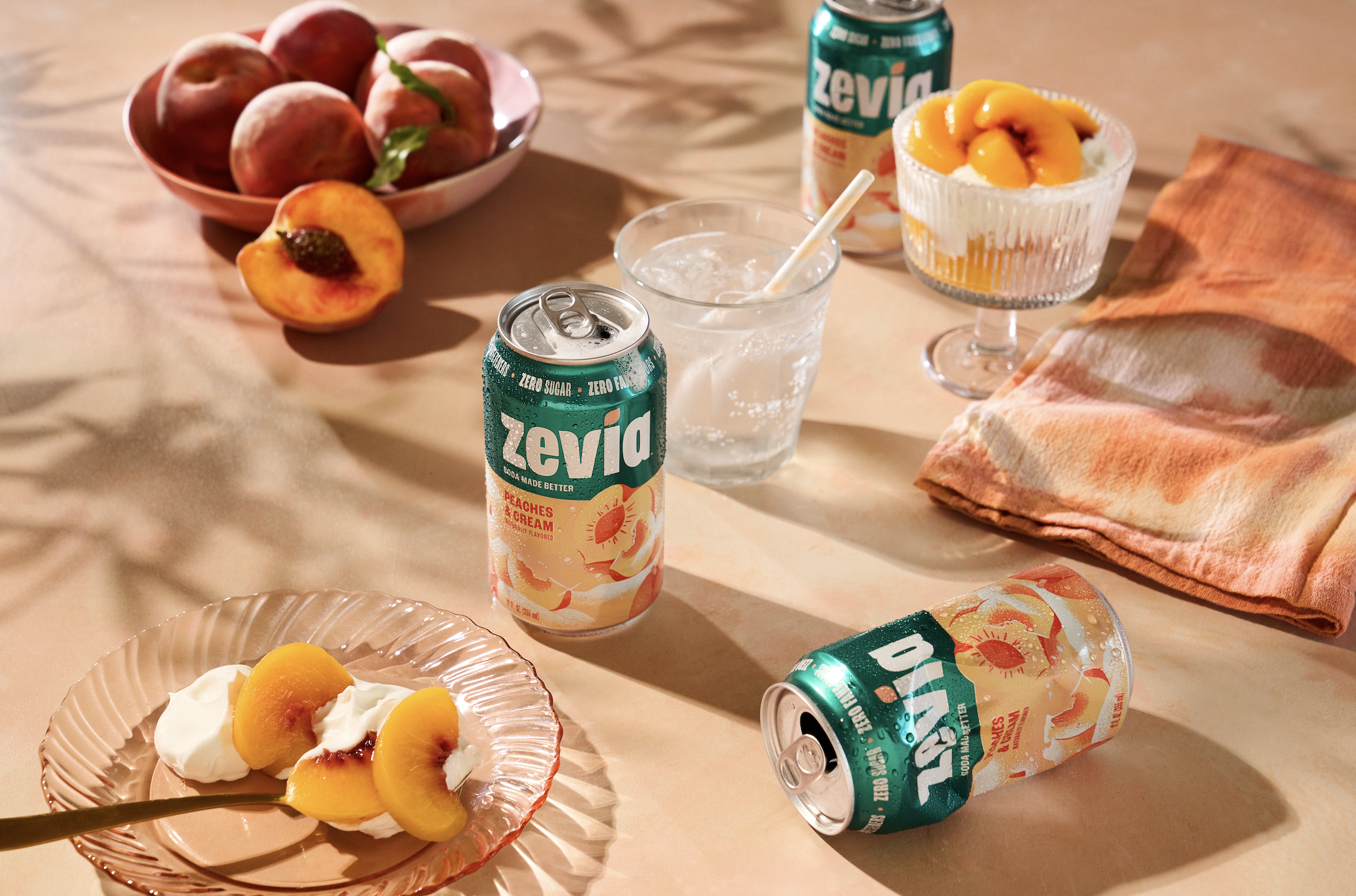
Yes, I speak of soda addiction. And I don’t say the word “addiction” lightly; in the series, some of the girls admitted to drinking a 44-ounce soda up to six times a week from places like Swig. These drinks are customized creations, also known as “dirty sodas,” where folks can add mix-in creamers and half-and-half to their sodas. Dr. Pepper and Coffee Mate even worked together on a Coconut Lime Flavor Liquid Creamer dubbed “Dirty Soda.”
There’s a reason soda holds this throne in Mormon culture. With rules banning coffee and alcohol, soda fills the void, offering all the indulgence without breaking any commandments. But what’s fascinating is how this unapologetically sugary trend cuts through the probiotic-adaptogen-health-soda rhetoric forced down consumers’ throats (literally) for the past few years. People are ready to stop pretending they want kombucha and drink something fun.


Plus, with a rise in the goliath soda brands like Coke and 7Up experimenting (theCoke x Oreo collab and 7Up’s Shirley Temple) with new flavors and collab it’s all pointing to a soda awakening—one that’s refreshingly unconcerned with being “better for you.”
Dirty soda may just be the fizzy, indulgent middle finger the wellness world didn’t know it needed.
I’ll be watching for already-known soda brands to release more interesting collaborations, bolder flavors, and interesting packaging. We’ll also see a rise in influencers and celebrities releasing soda brands, a welcomed departure from celeb-backed alcohol.
Vibestalgia

Vibestalgia is the essence of nostalgia, visualized. And it’s critical to note that this nostalgia isn’t rooted in one specific decade. It’s not even feeling sentimental about real memories. It’s a response to Gen Z’s craving for connection, depth, and soul in an AI-dominated design landscape, as it blends timeless intrigue with a hazy vibrancy in ways machines can’t replicate yet.
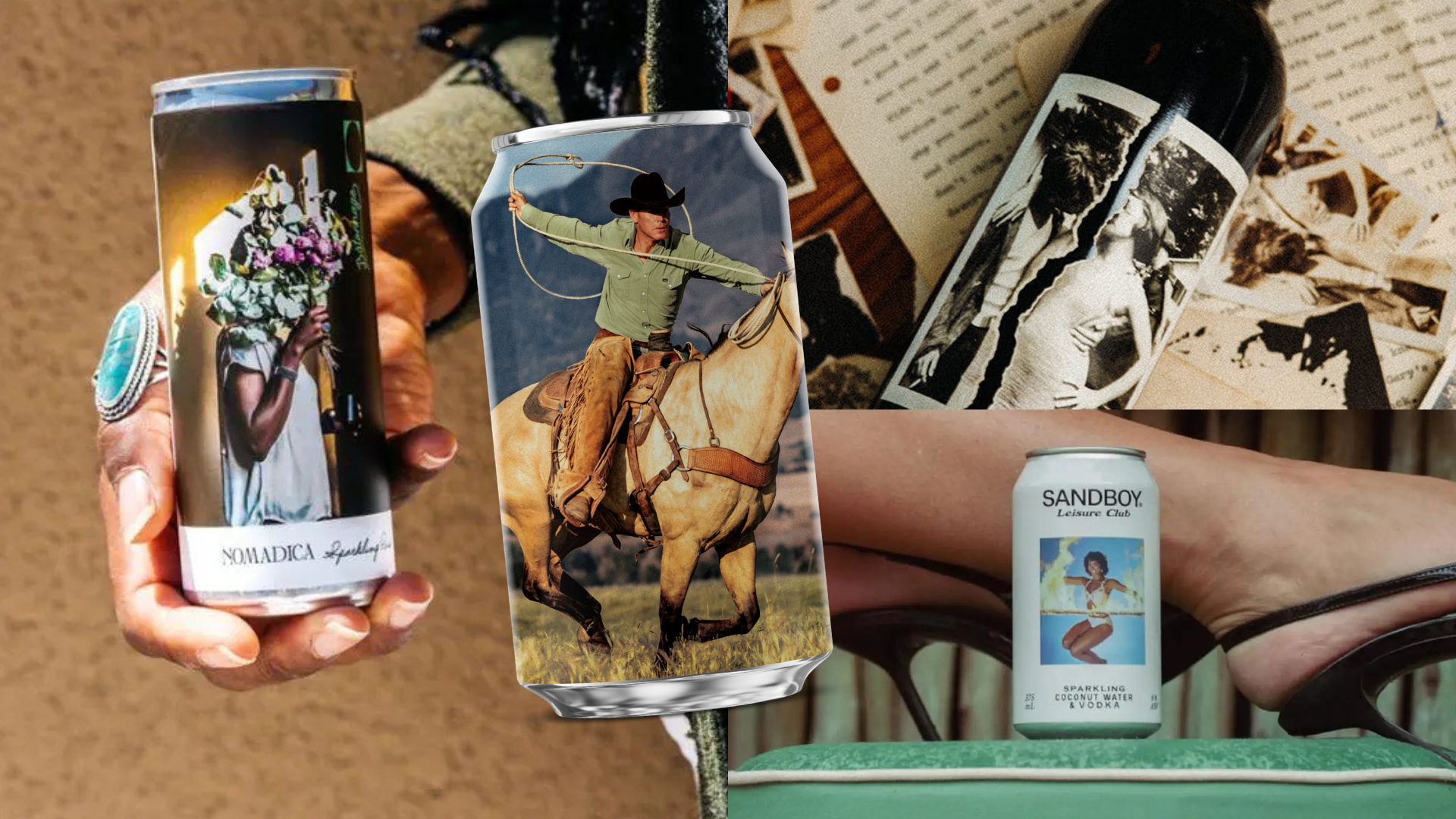
Brands like Ghia, Moon Juice, Lark, and 1906 exemplify vibestalgia through warm, saturated palettes and tactile, cinematic visuals. The 1906 campaign, led by Alright Studio and Marcus McDonald, pairs glossy textures and bold colors with subtle branding, evoking a futuristic-retro feel. Ghia’s Le Fizz campaign, styled by Apartamento Studios, uses Mediterranean-inspired settings and soft lighting to create a collective memory of timeless summers. Lark’s in-house photography by Michelle Donnelly employs rich red and black tones, giving a surreal, multi-era vibe.


This aesthetic is about escapism even more than it’s about nostalgia. Vibestalgia feels like stepping into a memory you never had or glimpsing a familiar yet unknown parallel world. Hazy filters, soft grains, and earthy hues create a dreamy, comforting atmosphere, offering consumers a reprieve from life’s uncertainties.
Expect to see vibestalgia expand beyond Instagram imagery into OOH ads, Super Bowl commercials, and holiday campaigns. Imagine Martha Stewart in a hazy-filtered Super Bowl spot, blending elegance and timelessness for a car brand—a perfect manifestation of vibestalgia’s power to connect across generations. I have an entire Shelf Life dedicated to this aesthetic if you want to read more.
Aluminum Tubes

Michael Miraflor coined the term “chaos packaging” this year, and I fully back it as a powerful strategy for brands looking to stand out in crowded markets. While something as bold as whipped cream-inspired sunscreen is an inspired novelty, packaging like No Normal Coffee‘s is a great example of how chaos packaging can be adapted in a timeless, intentional, and approachable way.
It’s chaos, but make it refined.
Aluminum tubes aren’t just aesthetic queens of the packaging world; they also work hard on sustainability. They’re infinitely recyclable, requiring significantly less energy to process than primary aluminum, which means reduced mining and shipping pollution.


Le Rub, a brand that packages its sunscreen in aluminum tubes, spells it out beautifully on their website, “Aluminium is a circular material, infinitely recyclable, with much less environmental impact.” Plus, the tubes are super practical for on-the-go lifestyles—functional and environmentally friendly, and they fit within the chaos packaging bucket. I think many brands are wondering how they can create innovative, different packaging without leaning too far into an overly whimsical design world.
Glossier switching to aluminum tubes instead of plastic? An obvious upgrade. And can someone explain why peanut butter isn’t already packaged in aluminum tubes? The convenience and ease of use would be unmatched. While I’m at it, why aren’t mustard brands doing this—specifically with a nozzle sized perfectly for the width of a hot dog? Costco (and/or Kirkland), if you’re reading, make this happen.
Celebrity Packaged Goods

The modern-day celebrities aren’t people like Angelina Jolie or Brad Pitt. Sure, they’re still relevant, but today’s “celebrity” is more likely to be an influencer.
With that in mind, we’re just scratching the surface of the influencer-led brand wave. This year alone brought us Matty Matheson’s sauces, Molly Baz’s mayo line,Alex Cooper’s beverage brand, Ella Rose’s skincare and beauty products, Dana Hasson’s cookie mix, and—most recently—Olivia Jade teasing a makeup collection. And that isn’t an exhaustive list.

In 2025, we’ll see a flood of influencer-driven brands hit the market, and they’re destined to redefine how consumers think about products and brands. Take Molly Baz’s line, for example; she infiltrated a stale market, mayo, and turned it upside down. I don’t know about you, but now, when I think about Hellman’s Mayo, all I crave is a dollop of Ayoh’s Dill Pickle take. And I’m not alone; she recently released a statement on Instagram about how they sold out the product faster than anyone ever expected, and she’s been on the phone with suppliers and manufacturers trying to ramp production back up.

Influencers have made being online their full-time job, and when they’re good at it (spoiler: most of them are), they’re dialed into what consumers actually want. They’re experts in listening, adapting, and responding to how people engage with content and the endless churn of internet trends. And let’s not forget that they bring a built-in cult following with unparalleled engagement rates. That’s the kind of magic legacy brands like Hellmann’s (sorry again, Hellmann’s), Green Giant, and Progresso can’t replicate.
The CPG (consumer packaged goods) space is about to be flooded with even more CPG (celebrity packaged goods). I’m looking forward to seeing the creativity that comes with it.