NBCo Could Finally Make Paper Bottles A Reality
By
Published
Filed under

By
Published
Filed under
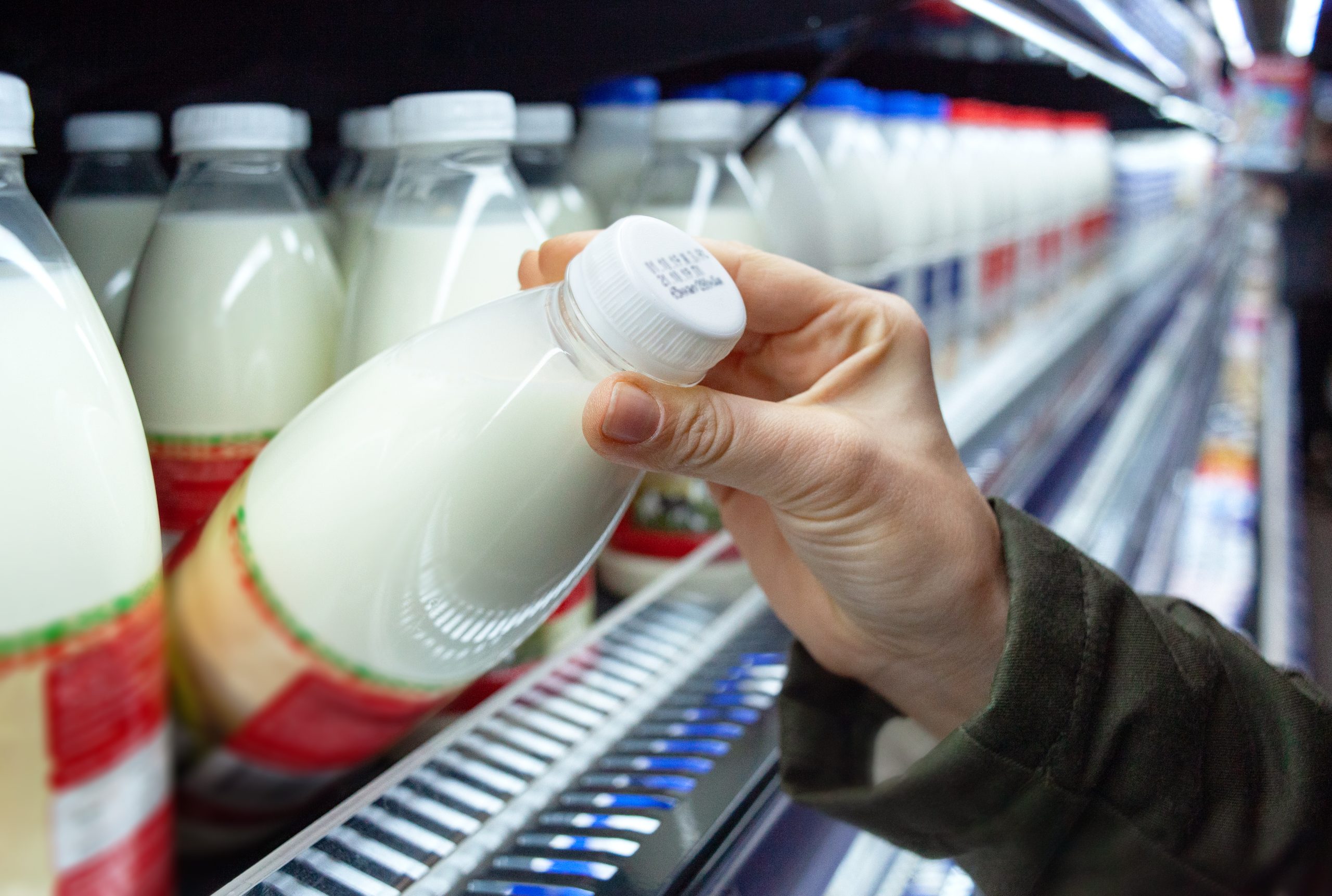
Creating a paper bottle that performs equally to current alternatives, especially plastic, hasn’t been easy.
Most examples of “paper bottles” are really molded fiber exteriors with plastic bladders or liners inside. Even the idea of calling them paper bottles feels disingenuous, and consumers looking for a plastic-free alternative will likely be disappointed; Absolut’s beta version of a paper bottle is 43 percent plastic; Diageo’s Jonnie Walker Black Label paper bottle, trialed last year, is 90% plastic; Magnotta Wineries’ Ugly Duck paper bottles reduce plastic usage by 77 percent. And who can forget cosmetics brand Innisfree’s “Hello, I’m Paper Bottle,” which consumers discovered was actually a plastic bottle shrouded in molded fiber?
In all fairness, there are advantages to creating a molded fiber/plastic hybrid bottle. Depending on what continent you call home, the plastic bladder and fiber exterior are usually both recyclable. Still, even with a plastic bladder or liner, paper bottles are lighter than conventional glass packaging, reducing distribution-related carbon emissions. Additionally, similar to plastic, paper bottles require less filler packaging to prevent breakage. Paper bottles are also safer in environments where sharp glass pieces, like a beach or a park, can present a hazard.
Get unlimited access to latest industry news, 27,000+ articles and case studies.
Have an account? Sign in