The stay-tab opening apparatus commonly found on aluminum cans today was patented by Reynolds Metals engineer Daniel F. Cudzik in 1975. Since then, there have been a few improvements to the overall design, like the can widget (aka the “Guinness widget”) in the late 1980s and the “wide mouth” can design in the 1990s.
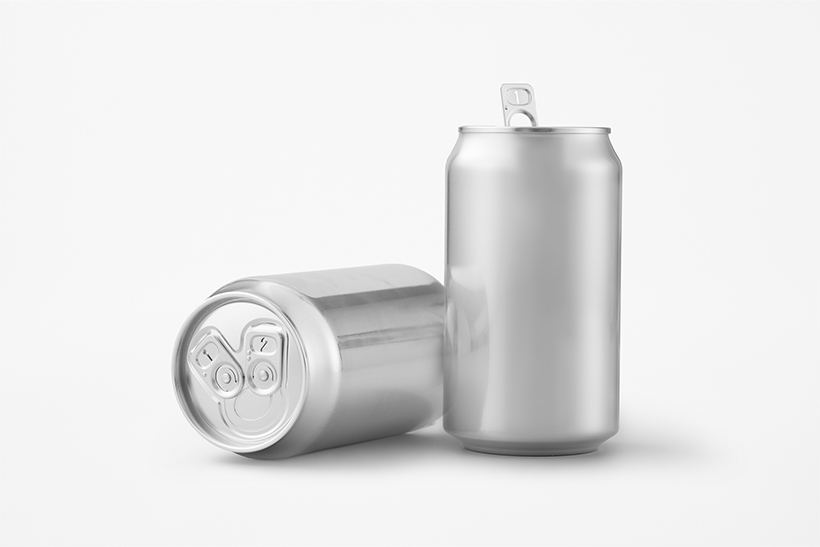
Japanese design studio nendo has developed a new can that solves a longstanding problem with canned beer; lack of proper head. The new design, dubbed the “foam-can,” incorporates two stay-tabs similar to conventional aluminum cans at different angles. The consumer opens the first tab, conveniently stamped with a numeral “1,” to create a narrow opening that doesn’t disrupt foam as much as a single-tabbed container. The can will mainly pour foamy beer. Once the foam has settled, the second tab, labeled “2” with a bigger opening, is engaged to pour mostly liquid into the glass. The end result is a glass of beer with an optimal amount of head.