As we all know, the design industry has evolved and shifted enormously in just the past 10 years. Our definitions of design are broadening, our capabilities are growing, and there’s close to nothing that designers don’t touch these days. Given that rapid pace of change, it’s no surprise that designers and their remits are also changing.
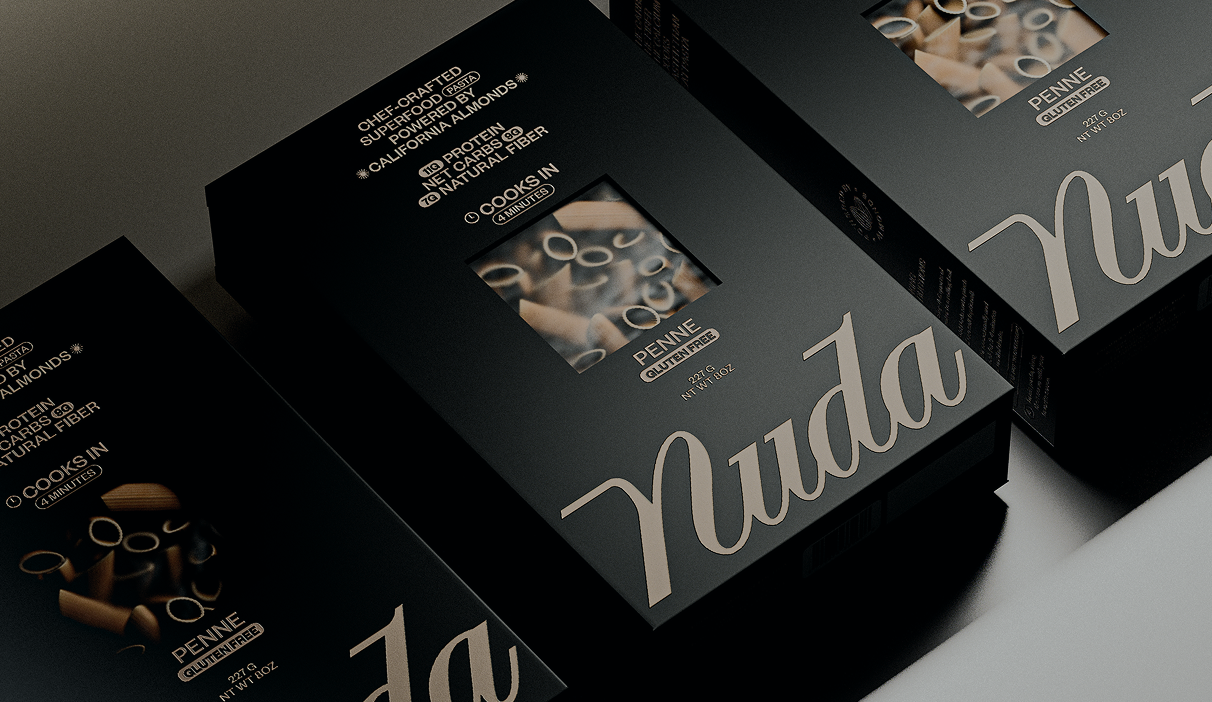
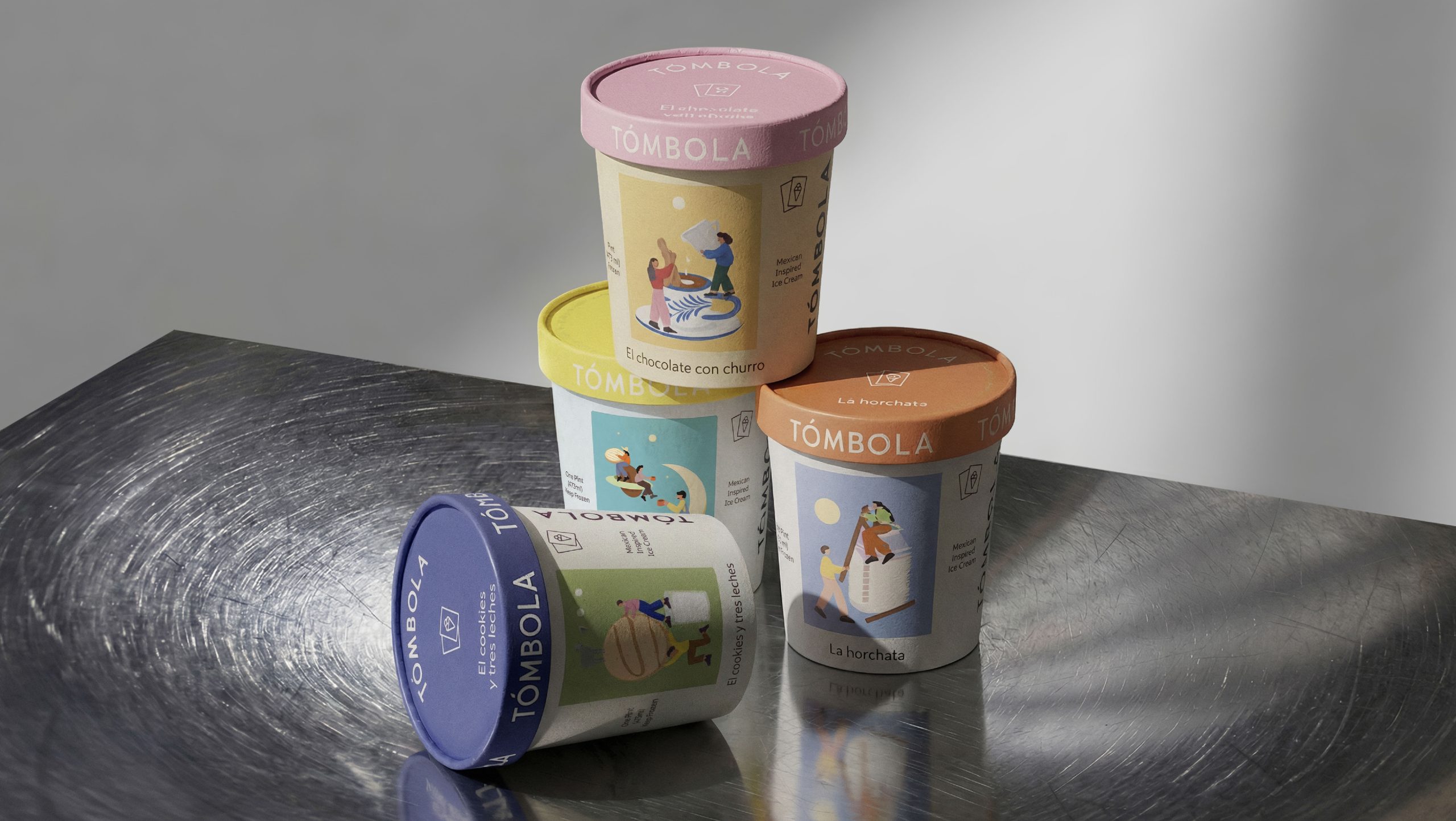
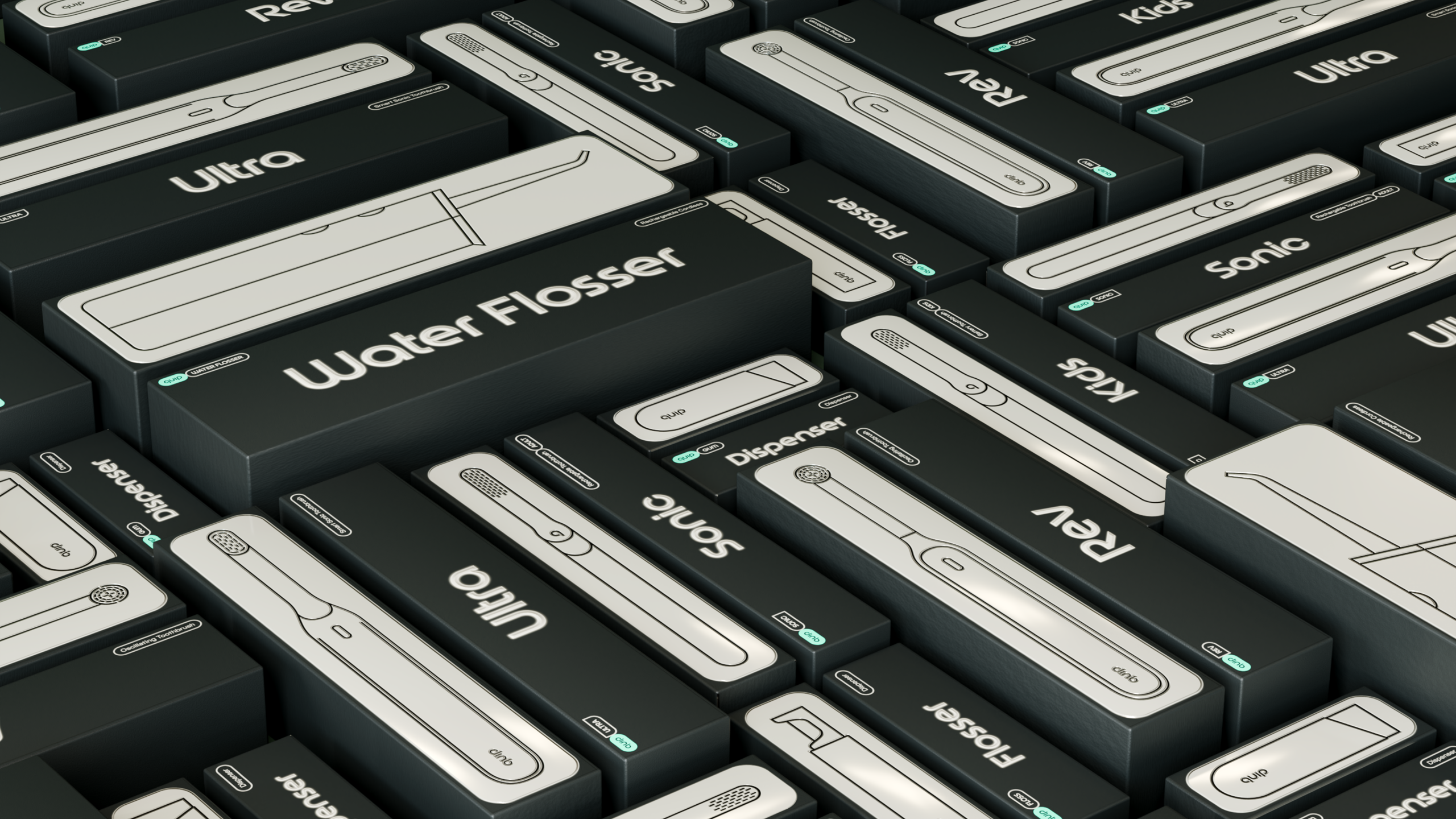
Package design provided by ForceMajeure. 3D modeling and rendering by Lyon Visuals.
These days, designing for brands involves a wealth of different creative types. And despite a reputation for whimsical artists, design now encompasses a wealth of technical talent as well. In fact, complex programs and tools are at the heart of the many creative endeavors, and increasingly so in the world of commercial design. While it may sound maudlin to some, all this innovation and exploration in digital technology has opened up a world of potential for design and craft, adding profound layers of possibility to a designer’s toolkit and allowing room for new fields to emerge all together.
Visualization is one such field, a specialization within design that is burgeoning but often overlooked or misunderstood. Today we’ll open that box; define what visualization is, how it’s used, and its potential and growing relevance for designers and commercial brands.