The world is filled with single-use plastic. While plastic pollution is a pernicious consequence of our need for the versatile and practical material, it also outlives its purpose, ending up in the environment for hundreds of years, usually breaking down into micro and nano-sized particles that travel literally across the globe and sometimes end up being unintentionally ingested by animals and people, even in the most remote parts of the world.
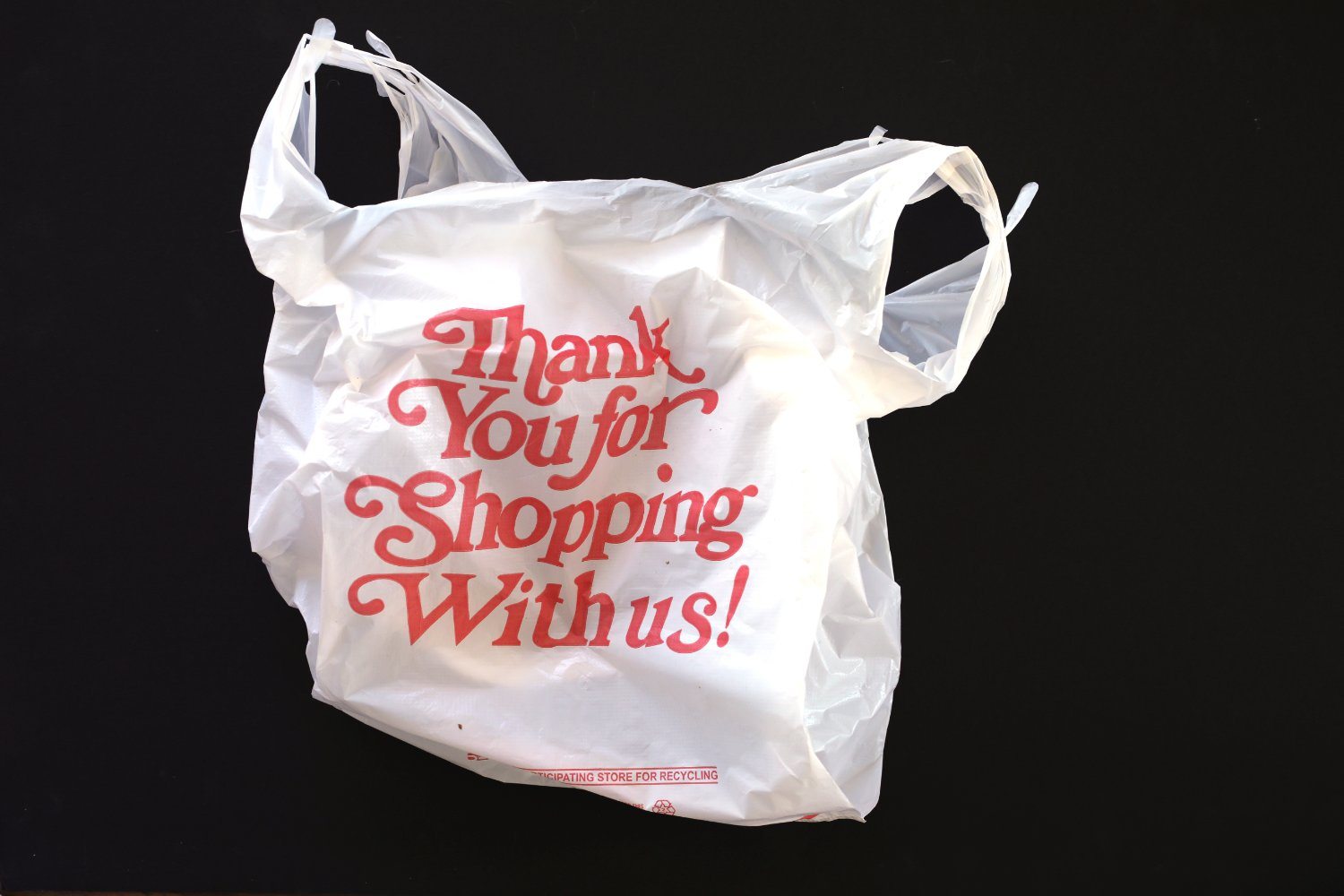
As a result of the negative impacts of plastic on the environment, communities have started banning certain single-use plastic items. Usually, the most challenging to collect and recycle items are the first targets. Single-use plastic shopping bags, made out of low-density polyethylene (LDPE), used to transport purchased items with ease from the store to their final destination, have a useful life measured in minutes. Some consumers reuse them, which are invaluable to some folks, such as the unhoused, who find additional uses for these shopping bags, like for hygienic purposes. Still, they usually are discarded at the end of the shopping trip.
Besides their short-lived, practical life, single-use plastic bags are also difficult to recycle due to their shape, size, and weight. The machinery that typically processes curbside-collected plastic can get clogged up by the bags’ thin plastic film, which can shut down an entire material recovery facility (MRF) to clean out the pesky things.